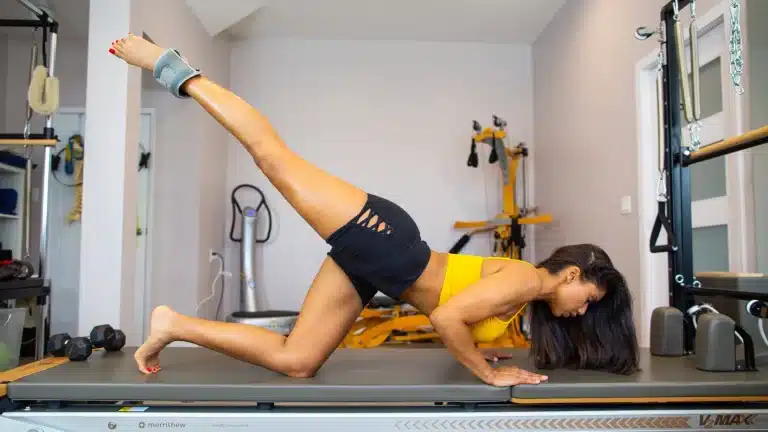
Pilates and Strength Training Schedule: How to Combine Both for Better Results
If you’ve ever felt frustrated doing Pilates but not seeing the muscle tone or fat loss you were hoping for, you’re not alone. Pilates is incredible for deep core strength, posture, and mobility—but when it comes to building real strength and changing body composition, it’s even more powerful when paired with strength training.
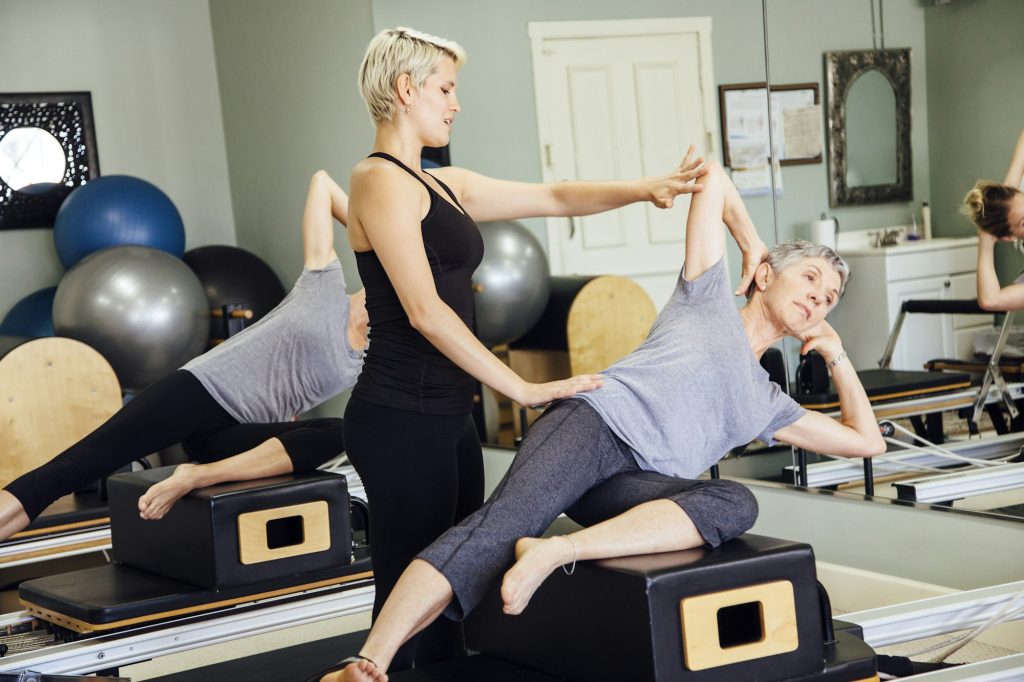
In this post, I’m sharing how to structure a Pilates and strength training schedule that actually works. You’ll learn why the combination is so effective, how to avoid overtraining, and how I personally split my workouts to stay strong, lean, and energized without burning out.
My Turning Point: When Pilates Wasn’t Enough By Itself
I was doing all the Pilates. Core work, mat flows, glutes and thighs burners—daily. My posture improved, and I felt more connected to my body than ever, but something was missing. My legs weren’t getting stronger. I didn’t feel as powerful as I wanted to.
Once I added resistance training—simple dumbbell and band work—my body responded fast. I built more muscle, especially in my lower body, and felt more supported in my joints. Pilates gave me the foundation. Strength training gave me the edge.
Why Pilates Complements Strength Training and Vice Versa
This combo works because it balances two essential systems:
Pilates focuses on:
Strength training focuses on:
When done together, they:
You don’t need a gym to do this. You just need a smart split.
My Pilates Workout Schedule
Here’s a simple weekly Pilates and strength training schedule that works well for women who want to get toned without overtraining:
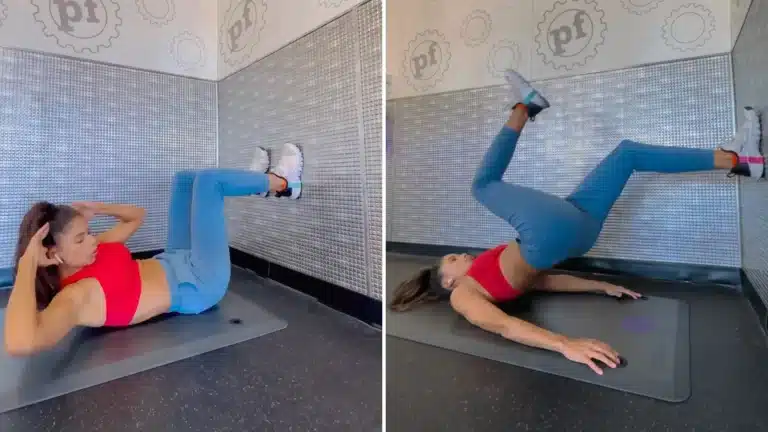
Monday – Pilates (core + mobility) Tuesday – Strength (lower body) Wednesday – Rest or light cardio Thursday – Pilates (full-body sculpt with bands) Friday – Strength (upper body + core) Saturday – Optional: walk or light wall Pilates Sunday – Rest
This split gives you:
- 2–3 Pilates sessions (low impact, recovery-friendly)
- 2 solid strength days (with weights or resistance bands)
- 1–2 rest or active recovery days
Adjust it based on your cycle, energy, or time. Just don’t double up on intense days unless you’ve built a strong recovery routine.
How to Combine Pilates and Weight Training (Without Burning Out)
To combine them effectively:
- Keep your strength workouts short and focused (30–40 minutes max)
- Use Pilates on alternate days or as a warm-up/cool-down
- Focus strength days on compound movements (squats, deadlifts, rows, presses)
- Use Pilates to build core strength and improve range of motion
You can also try splitting sessions: 20 minutes of Pilates in the morning, strength in the afternoon, or vice versa. But listen to your body—quality matters more than quantity.
Final Thoughts
You don’t have to choose between Pilates or weights. When you pair them strategically, you’ll build long, lean muscles, increase strength, improve posture, and support your metabolism.
The most important thing? Stick to a plan that fits your schedule, honors your energy, and helps you feel strong in your body.
Here’s a quick recap sample:
Monday – Mat Pilates (30 min) Tuesday – Strength (lower body with dumbbells) Wednesday – Rest or stretch Thursday – Resistance band Pilates + mobility Friday – Strength (upper body + core) Saturday – Optional walk or wall Pilates Sunday – Rest
Pilates Strength FAQS
Q: Is it Better to Do Pilates Before or After Strength Training?
It depends on your fitness goals. Doing Pilates after strength training can help lengthen muscles and improve flexibility, aiding in muscle recovery. If you’re using Pilates as a warm-up, focus on core exercises that don’t exhaust your muscles before lifting weights.
Q: Can Pilates and Strength Training Help with Weight Loss?
Yes, combining Pilates and strength training is effective for weight loss. Strength training builds muscle and boosts metabolism, while Pilates supports flexibility, toning, and core strength, making it easier to maintain a balanced body weight.
Q: How Often Should I Practice Pilates and Strength Training?
For most people, integrating 2-3 days of strength training with 2 days of Pilates each week is a great balance. Adjust according to your fitness level, goals, and schedule.
Q: Is Pilates and strength training a good combination?
Absolutely! Pilates and strength training create the perfect synergy, with Pilates enhancing your core stability and movement patterns while strength training builds raw power and muscle mass. This dynamic duo provides a comprehensive approach to fitness that helps you achieve both functional movement and aesthetic goals.
Q: How does Pilates help with strength?
Pilates develops strength through precise, controlled movements that target deep stabilizing muscles often overlooked in traditional workouts. By focusing on proper alignment and core engagement, Pilates builds a strong foundation that enhances overall body strength and improves performance in all physical activities.
Q: Which is better Pilates or strength training?
Rather than viewing them as competitors, think of Pilates and strength training as complementary methods that each bring unique benefits to your fitness journey. While Pilates excels at building core strength and movement efficiency, strength training is superior for building muscle mass and raw power – combining both creates an optimal training program that addresses all aspects of fitness