Unlock the Power of the Pilates Ring: Your Ultimate Guide for 2025
Ever seen that small circular prop in a Pilates class and wondered what it actually does? That’s the Pilates ring—a deceptively simple tool that packs a serious punch when it comes to core strength, posture, and full-body muscle activation.
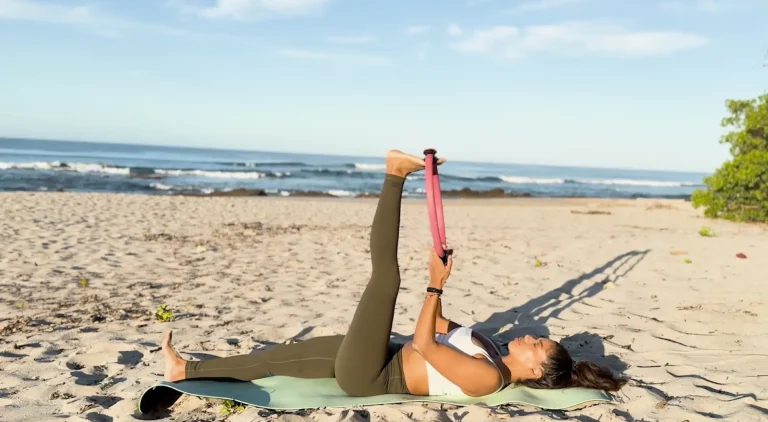
Originally invented by Joseph Pilates himself (using steel beer keg rings—no joke), the “magic circle.” is designed to help you engage your muscles in a deeper, more intentional way. It’s portable, versatile, and beginner-friendly, yet challenging enough to leave your inner thighs sore after just one session.
In this guide, we’ll break down exactly what the Pilates ring is, how it works, and why it deserves a permanent spot in your workout routine.
Benefits of Using a Pilates Ring
When I first added a Pilates ring to my workout routine, I had no idea how much it would change the game. I thought, “How much can a lightweight circle really do?” Spoiler alert: a lot. The Pilates ring isn’t just a nifty accessory—it’s a total powerhouse for strength, stability, and alignment. Here’s why this simple tool deserves a spot in your workout routine.
1. Enhances Core Strength and Stability
If you’ve ever used a Pilates ring, you know it forces you to engage your core like never before. Every squeeze, press, or hold requires activation from your deep core muscles—the ones responsible for stabilizing your spine and pelvis. I remember doing a simple seated twist with the ring pressed between my palms, and wow, my obliques were on fire! Whether you’re targeting your abs or working on balance, the Pilates ring adds that little extra push to wake up muscles you didn’t even know you had.
2. Improves Posture by Encouraging Proper Alignment
One of the things I love most about the Pilates ring is how it naturally encourages better posture. Because you’re constantly working to maintain control and balance, it’s nearly impossible to slouch while using it. Exercises like the chest press or overhead arm squeezes not only strengthen your shoulders and chest but also help you stand taller. It’s like having a mini posture coach in your hands. After a few weeks of regular use, I noticed my shoulders stayed back, and I wasn’t slumping at my desk as much. Win-win!
3. Adds Resistance to Pilates Exercises for Deeper Muscle Engagement
Resistance is the secret sauce in Pilates, and the ring delivers it in spades. Adding even a slight squeeze with the ring transforms basic moves into challenging, muscle-shaking exercises. For example, when you place the ring between your thighs during a bridge, it forces your inner thighs, glutes, and pelvic floor to work harder. And trust me, you’ll feel it. I used to underestimate these “small movements,” but with the ring, they’re no joke.
4. Lightweight and Portable: Perfect for Home and Travel Workouts
One of the best things about the Pilates ring is how portable it is. Unlike bulky gym equipment, it’s small, lightweight, and easy to store. When I travel, it’s the first thing I toss into my suitcase—it doesn’t take up much space, and it’s great for keeping up with workouts on the go. Whether you’re doing mat exercises in a hotel room or a quick routine in your living room, the ring is always ready to work.
5. Suitable for All Fitness Levels
Whether you’re a complete beginner or a seasoned Pilates pro, the ring is adaptable to your needs. Beginners can use it to build foundational strength and improve alignment, while advanced practitioners can take their workouts to the next level with more challenging moves. When I started, I could barely press the ring between my thighs without wobbling all over the place. Now, I use it to intensify planks, side-lying leg lifts, and even push-ups. There’s always a way to level up, which makes it such a versatile tool.
The Pilates ring may look simple, but don’t let its humble appearance fool you—it’s a multitasking marvel. From boosting core strength to improving posture and adding resistance, it’s a must-have for anyone looking to elevate their fitness routine. Plus, its portability and versatility mean you can use it anywhere, anytime. If you haven’t tried one yet, grab a Pilates ring and get ready to feel the burn!
Top Pilates Ring Exercises to Try
If you’re ready to take your Pilates practice to the next level, the Pilates ring is your new best friend. It’s deceptively simple but packs a punch when it comes to targeting muscles, improving balance, and adding resistance to classic moves. Whether you’re a beginner or a seasoned Pilates fan, these exercises are a must-try. Grab your magic circle, and let’s dive in!
1. Inner Thigh Squeeze
Targets: Inner thighs and pelvic floor
This one’s a classic, and it’s where most people start with the ring. Lie down on your back with your knees bent and feet flat on the floor. Place the ring between your thighs, just above your knees. Gently press inward, squeezing the ring, and then slowly release. Focus on controlled movements and keep your lower back pressed into the mat.
Why I love it: Not only does this exercise tone those inner thighs, but it’s also a sneaky way to activate your pelvic floor. After a few reps, you’ll feel the burn in muscles you didn’t even know you had.
2. Overhead Press
Targets: Shoulders and arms
Stand or sit tall and hold the ring with both hands, palms on the padded handles, and arms extended overhead. Slowly press the ring inward, engaging your shoulder and arm muscles, then release. Keep your core tight and avoid arching your back as you press.
Why I love it: This move is a lifesaver for toning the arms without heavy weights. Plus, it’s great for improving posture and shoulder stability. After a long day at the desk, this feels like a much-needed reset.
3. Chest Press
Targets: Chest muscles and upper body strength
Hold the ring at chest height, with your hands on the padded handles. Press the ring inward, feeling the contraction in your chest and upper arms, then release slowly. You can do this seated, standing, or even lying down for variety.
Why I love it: This exercise is so simple yet incredibly effective. It’s perfect for building upper body strength and pairs beautifully with a full-body Pilates flow.
4. Side-Lying Leg Press
Targets: Outer thighs, hips, and balance
Lie on your side with the ring placed between your ankles. Keep your bottom leg stable and your core engaged as you press the top leg down, squeezing the ring. Release slowly and repeat. Switch sides to ensure both legs get equal attention.
Why I love it: This one’s a killer for the outer thighs and hip stabilizers. I’ve noticed a huge difference in my balance and control on the mat (and even while surfing!) after regularly incorporating this move.
5. Core Twists
Targets: Obliques and core strength
Sit tall with your legs extended straight in front of you. Hold the ring with both hands at chest height. Twist your torso to one side, keeping the ring steady and your core engaged, then return to center and twist to the other side. For an extra challenge, try lifting your feet slightly off the ground.
Why I love it: This is my go-to for firing up the obliques and deep core muscles. Plus, it’s a fun way to add variety to a core workout—no crunches required!
Pilates Ring Exercise Tips
- Form first: Always focus on maintaining proper alignment and controlled movements.
- Breathe: Exhale during the squeeze or press to enhance muscle engagement.
- Start light: If you’re new to the Pilates ring, begin with fewer reps and lighter pressure.
- Mix it up: Combine these exercises with other Pilates moves to create a full-body workout.
The beauty of the Pilates ring is that it’s endlessly versatile. Whether you’re strengthening your arms, toning your thighs, or sculpting your core, the magic circle has you covered. Give these exercises a try, and you’ll see just how effective this little piece of equipment can be!
Common Mistakes to Avoid When Using a Pilates Ring
The Pilates ring is an amazing tool, but like any piece of equipment, using it incorrectly can hold you back—or worse, lead to discomfort or injury. When I first started incorporating the magic circle into my workouts, I made a few of these mistakes myself (hello, over-squeezing!), so let me help you skip those growing pains. Here are three common mistakes to watch out for and how to avoid them.
1. Over-Squeezing: Why Less Is Often More
It’s tempting to think the harder you squeeze the ring, the better the workout, right? I’ve been there—sitting on my mat, gripping the Pilates ring like my life depended on it, thinking I was crushing it (pun intended). The truth is, over-squeezing can do more harm than good. It places unnecessary strain on your muscles and joints and reduces the effectiveness of the exercise by shifting focus away from the intended muscle group.
How to avoid this mistake:
Think of the ring as a guide, not a test of brute strength. Instead of maxing out every squeeze, aim for about 30–50% of your effort. Focus on controlled, even pressure and notice how your muscles engage more deeply when you’re not trying to crush the ring like a soda can.
2. Poor Alignment: The Importance of Maintaining Proper Posture
Alignment is the foundation of every good Pilates exercise, but adding the ring can sometimes make it harder to stay in the correct position. It’s easy to hunch your shoulders, tilt your pelvis, or let your neck strain when you’re concentrating on squeezing or pressing. I learned this the hard way after finishing a session with my shoulders practically up to my ears!
How to avoid this mistake:
Before you start any exercise, take a moment to check your posture. Are your shoulders relaxed and down? Is your core engaged and your spine neutral? When holding the ring, make sure your grip is balanced—one hand shouldn’t push harder than the other. Using a mirror can help you spot misalignments and correct them in real time.
3. Neglecting Breath work: How Breath Enhances Engagement and Results
I used to get so focused on the mechanics of using the Pilates ring that I completely forgot to breathe properly. And let me tell you, holding your breath while squeezing the ring is a recipe for tension—not results. Breathwork is a key component of Pilates, and coordinating your breath with your movements can deepen muscle engagement and improve your overall flow.
How to avoid this mistake:
Remember the Pilates principle of “exhaling during effort.” For example, if you’re pressing the ring between your hands or thighs, exhale as you squeeze and inhale as you release. This not only helps you engage your core but also keeps your movements smooth and controlled. Try counting your breaths to stay focused—inhale for three counts, exhale for three counts—and see how much more connected your body feels.
Pilates Ring FAQs
If you’re new to the Pilates ring (or magic circle) or just curious about how to use it, you’re not alone! Below are answers to some of the most common questions about this versatile piece of equipment.
1. What is a Pilates ring used for?
A Pilates ring is primarily used to add resistance to exercises, helping to tone muscles, improve flexibility, and encourage proper alignment. It’s great for targeting areas like the core, arms, thighs, and glutes, and it’s also effective for posture correction and building strength.
2. Can beginners use a Pilates ring?
Absolutely! The Pilates ring is beginner-friendly and can be easily adapted to different fitness levels. Beginners can start with simple exercises like the inner thigh squeeze or chest press and gradually build strength and coordination.
3. How much resistance does a Pilates ring provide?
The resistance depends on the material and brand of the ring. Most Pilates rings provide light to moderate resistance, making them ideal for toning and sculpting muscles without adding bulk. If you want more intensity, look for rings marketed as “high-resistance.”
4. What muscles does a Pilates ring target?
The Pilates ring is incredibly versatile and can target multiple muscle groups:
- Core: Engages deep abdominal muscles, including the obliques and transverse abdominis.
- Arms and Shoulders: Tones biceps, triceps, and deltoids with upper-body presses and holds.
- Thighs and Glutes: Strengthens inner and outer thighs, hips, and glute muscles.
- Pelvic Floor: Helps activate and strengthen these often-overlooked muscles.
5. How do I choose the right Pilates ring?
Here are a few tips to help you pick the perfect Pilates ring:
- Size: Standard rings are about 12–15 inches in diameter. Smaller rings are better for focused exercises.
- Material: Look for durable fiberglass or metal for resistance, with foam-padded handles for comfort.
- Resistance Level: Beginners may prefer a lighter resistance, while advanced users might enjoy a sturdier ring.
- Reviews: Check online reviews for quality and durability before buying.
6. Is a Pilates ring suitable for physical therapy?
Yes! Many physical therapists recommend the Pilates ring for rehabilitation exercises. Its light resistance and focus on controlled movements make it an excellent tool for improving strength, mobility, and alignment after an injury.
7. Can I use a Pilates ring every day?
Yes, you can use a Pilates ring daily, as long as you’re not overworking the same muscle groups. Rotate the areas you’re targeting—focus on arms one day, core the next, and legs the day after—to allow for proper recovery.
8. How do I clean a Pilates ring?
Cleaning your Pilates ring is simple. Use a damp cloth with mild soap to wipe down the frame and handles after each use. Avoid submerging it in water or using harsh chemicals, as these can damage the materials.
9. What’s the difference between a Pilates ring and other resistance tools?
The Pilates ring is unique because it provides 360-degree resistance, meaning you can engage multiple muscle groups at once. Unlike bands or dumbbells, the ring also encourages proper alignment, making it perfect for full-body workouts.
10. Are there any alternatives to a Pilates ring?
If you don’t have a Pilates ring, you can substitute with a sturdy, lightweight object like a small foam ball or a folded yoga block for some exercises. However, nothing quite replicates the unique resistance and versatility of a magic circle.
11. Can I travel with a Pilates ring?
Definitely! The Pilates ring is lightweight and compact, making it ideal for travel. It’s easy to pack in a suitcase or carry-on, so you can keep up with your workouts wherever you go.
12. Is the Pilates ring effective for weight loss?
While the Pilates ring alone won’t cause weight loss, it can be a valuable part of a fitness routine that includes strength training, cardio, and a healthy diet. The ring helps tone muscles, increase flexibility, and build strength, all of which support overall fitness goals.
13. How long does a Pilates ring last?
With proper care, a high-quality Pilates ring can last several years. However, over time, the resistance may weaken, especially with frequent use. Inspect it regularly for wear and tear, especially if it’s made from metal or fiberglass.
14. What are the most popular Pilates ring brands?
Some popular brands include:
- Balanced Body
- Stott Pilates
- ProBody Pilates
- Gaiam
- URBNFit
Each brand offers variations in size, resistance, and material, so it’s worth comparing based on your needs.
A Pilates ring is more than just a simple circle—it’s a versatile and powerful tool for building strength, improving posture, and enhancing your workouts. Whether you’re just starting out or looking to switch things up, incorporating the magic circle into your routine is a fun and effective way to challenge your body! Ready to try it out? Grab a Pilates ring, and let the magic begin!