Pelvic Bowl Stretch: Benefits, Techniques, and How to Do It in 2025
The pelvic bowl stretch is a gentle, effective way to release tension in your hips, lower back, and core. By tilting the pelvis with control, you’ll activate key muscles, improve mobility, and support better posture—all in just a few mindful minutes.
Benefits of the Pelvic Bowl Stretch
If you’ve ever felt stiffness in your lower back or tightness in your hips, the pelvic bowl stretch might just be the relief you need. Here’s why it’s so effective:
- Improves Flexibility: By gently stretching the muscles around the pelvis, this movement helps loosen tight hips and lower back muscles.
- Encourages Better Posture: The stretch promotes proper pelvic alignment, which is key to maintaining a neutral spine and avoiding slouching.
- Relieves Pelvic Floor Tension: For those dealing with tightness in the pelvic floor, this stretch provides a gentle way to relax and release those muscles.
- Reduces Lower Back Pain: Tight pelvic muscles often contribute to back pain. The pelvic bowl stretch helps alleviate this by improving mobility and reducing strain.
- Boosts Mind-Body Connection: By focusing on slow, intentional movements, the stretch enhances body awareness and mindfulness.
How to Perform the Pelvic Bowl Stretch
Getting started with the pelvic bowl stretch is simple and beginner-friendly. Here’s a step-by-step guide to ensure you’re doing it correctly:
Step-by-Step Instructions:
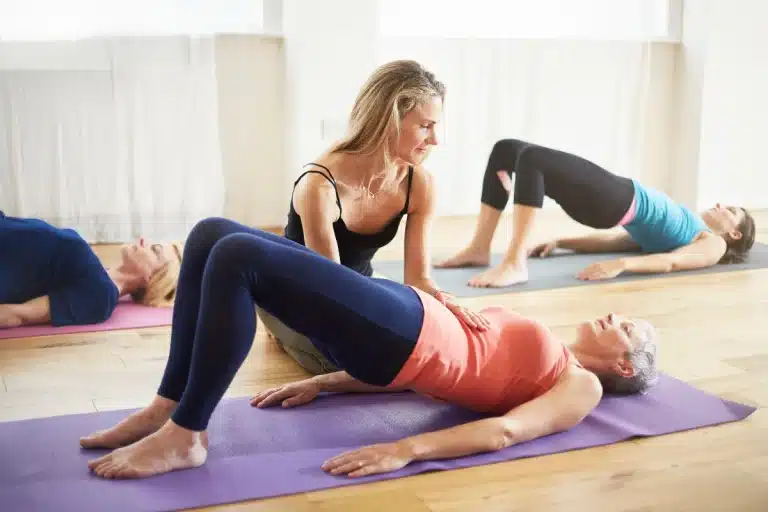
- Start Position: Lie on your back with your knees bent and feet flat on the floor, hip-width apart. Rest your arms by your sides.
- Neutral Spine: Begin by finding your neutral spine—the natural curve of your lower back should feel neither pressed into the mat nor overly arched.
- Tilt Forward: Inhale and gently tilt your pelvis forward, creating a small arch in your lower back.
- Tilt Backward: Exhale and tilt your pelvis backward, flattening your lower back against the mat.
- Repeat: Continue this motion for 8-10 slow, controlled repetitions, synchronizing your breath with each movement.
Tips for Proper Form:
- Avoid overextending your lower back during the forward tilt.
- Engage your core muscles to support the movement.
- Keep the motion smooth and controlled, not jerky or rushed.
Common Mistakes to Avoid
Even though the pelvic bowl stretch is straightforward, a few common mistakes can reduce its effectiveness or even lead to discomfort. Here’s what to watch out for:
1. Moving Too Quickly
The stretch is meant to be slow and controlled. Rushing through the movements can prevent proper muscle engagement and diminish the benefits.
2. Poor Alignment
If your pelvis isn’t aligned correctly, you may end up overcompensating with other muscle groups, such as your lower back or thighs.
3. Forgetting to Breathe
Correct breathing is a cornerstone of the pelvic bowl stretch. Holding your breath creates tension and limits relaxation. Focus on deep, intentional inhales and exhales to enhance the stretch.
How to Avoid These Mistakes:
- Use a mirror or ask a fitness professional to check your form.
- Set a slower pace and count your breaths during each repetition.
- Pause between movements to reset your alignment if needed.
Variations and Modifications for All Levels
The beauty of the pelvic bowl stretch lies in its adaptability. Whether you’re a beginner or looking for an advanced challenge, there are variations to suit your needs.
Beginner Variation: Seated Pelvic Tilts
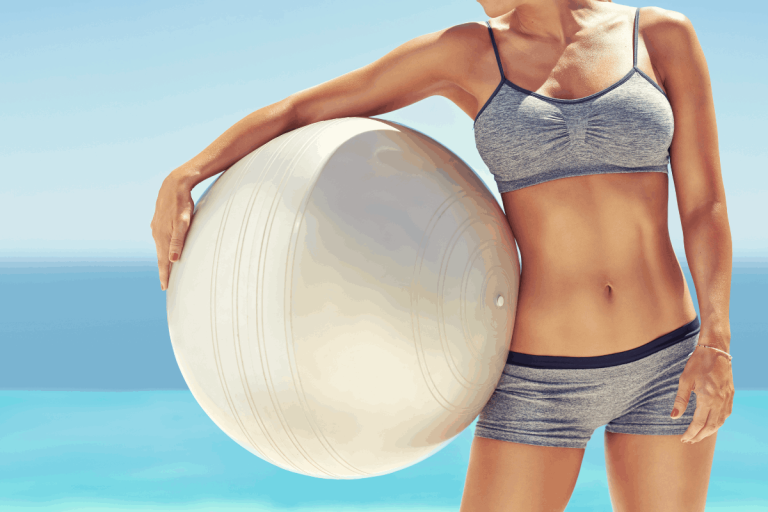
- Sit on a stability ball with your feet flat on the floor.
- Perform the tilting motion while maintaining balance. This reduces pressure on the lower back and makes it easier to focus on form.
Advanced Variation: Spinal Articulation
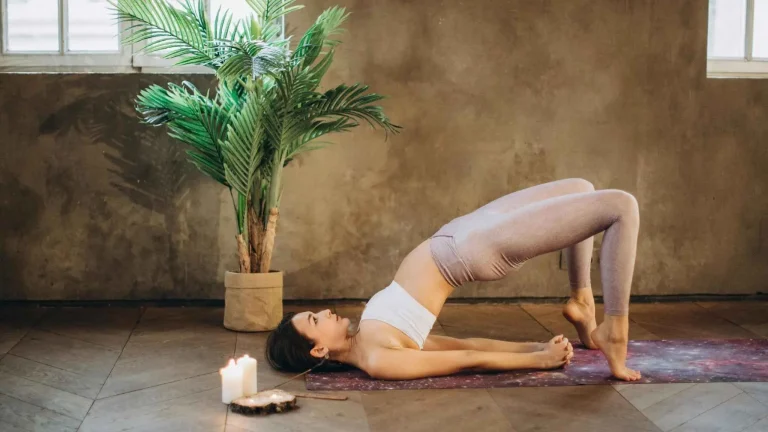
- Add a spinal roll to the stretch. After tilting your pelvis backward, continue to lift your hips into a bridge position, engaging your glutes and core.
Modifications for Tight Hips:
- Place a folded blanket or cushion under your hips for extra support.
- Reduce the range of motion if you feel discomfort.
Prenatal-Friendly Option:
- Perform the stretch while seated on a chair to reduce strain on the lower back. This is especially helpful during later stages of pregnancy.
How the Pelvic Bowl Stretch Supports Pelvic Health
The pelvic bowl stretch isn’t just about flexibility—it plays a crucial role in maintaining and improving pelvic health. Here’s how:
- Enhances Pelvic Floor Strength: Gentle engagement and release of the pelvic floor muscles help build strength and improve function.
- Relieves Pelvic Pain: For those experiencing discomfort due to tension or misalignment, the stretch provides a gentle release.
- Supports Postpartum Recovery: After childbirth, the pelvic bowl stretch can aid in rebuilding core strength and improving alignment.
- Improves Bladder Control: Strengthening and relaxing the pelvic floor muscles contributes to better bladder function.
Conclusion
The pelvic bowl stretch is a powerful yet accessible exercise that supports flexibility, alignment, and overall pelvic health. By incorporating this stretch into your routine, you can relieve tension, improve posture, and reconnect with your body in a meaningful way. Whether you’re looking to ease lower back pain, strengthen your pelvic floor, or simply enhance your mobility, this stretch is a must-try.
Ready to give it a go? Grab a mat, set aside a few minutes, and start exploring the benefits of this transformative movement. Your body will thank you!
Pelvic Bowl Stretch FAQs
What are the muscles in the pelvic bowl?
The pelvic bowl includes key muscles such as the pelvic floor muscles (levator ani and coccygeus), hip flexors, glutes, and lower abdominal muscles. These muscles work together to support the spine, pelvis, and internal organs while maintaining proper posture and movement.
How do you release tight pelvic muscles?
Releasing tight pelvic muscles involves a combination of gentle stretches, breathwork, and relaxation techniques. Exercises like the pelvic bowl stretch, deep diaphragmatic breathing, and child’s pose can help relax the pelvic floor. For persistent tightness, consider consulting a physical therapist for targeted exercises or manual therapy.
What are the symptoms of tight pelvic muscles?
Symptoms of tight pelvic muscles can include:
- Chronic lower back pain
- Hip discomfort or tightness
- Pain during sitting or standing for long periods
- Urinary urgency or difficulty
- Discomfort during sexual activity If you experience any of these, it’s important to address the tightness through appropriate stretches and exercises.
How to stretch pelvic fascia?
To stretch pelvic fascia, focus on gentle, sustained stretches like the pelvic bowl stretch, butterfly stretch, or deep lunges. Use slow, controlled movements and incorporate breathwork to release tension in the connective tissues surrounding the pelvic area. Foam rolling and yoga poses such as pigeon pose can also be helpful for targeting the fascia.