Still Have a Belly Pooch or Weak Core? Fix Your Breathing First
Most women think of crunches or planks when it comes to building core strength, but diaphragmatic breathing plays a huge role in strengthening your deep core. If you’ve been struggling with a lower belly pooch, weak pelvic floor symptoms, or postpartum recovery issues, it might be time to focus on your breath.
Diaphragmatic breathing isn’t just about taking deep breaths—it’s about engaging your deep core muscles, improving rib cage mobility, and reducing abdominal tension. Let’s break it down in a way that makes sense for your busy life!
The Connection Between Breathing and Core Strength
When you practice diaphragmatic breathing, your diaphragm, pelvic floor, and deep core muscles work together to create stability. However, when your breathing is shallow (think: chest breathing or sucking in your stomach all day), your deep core can’t function properly. This can lead to:
- Weak core stability and back pain
- Postpartum recovery struggles (like diastasis recti and prolapse)
- Tight hip flexors and lower back discomfort
- Pelvic floor dysfunction
Belly Breathing vs. 360-Degree Breathing
Many women are told to “belly breathe,” but this can push pressure downward onto the pelvic floor and abs. Instead, you should practice diaphragmatic breathing with a 360-degree focus, expanding your ribs in all directions—front, sides, and back—for better core support and pelvic floor function.
Quick Test: Are You Breathing Correctly?
- Place one hand on your belly and one hand on your ribs.
- Take a deep breath in. Does your belly push out more than your ribs?
- If yes, you might be belly breathing! Try focusing on expanding your ribs instead.
How to Fix a Weak Core and Improve Breathing
Step 1: Master 360-Degree Breathing
This simple breathing drill will help activate your deep core and improve pelvic floor function.
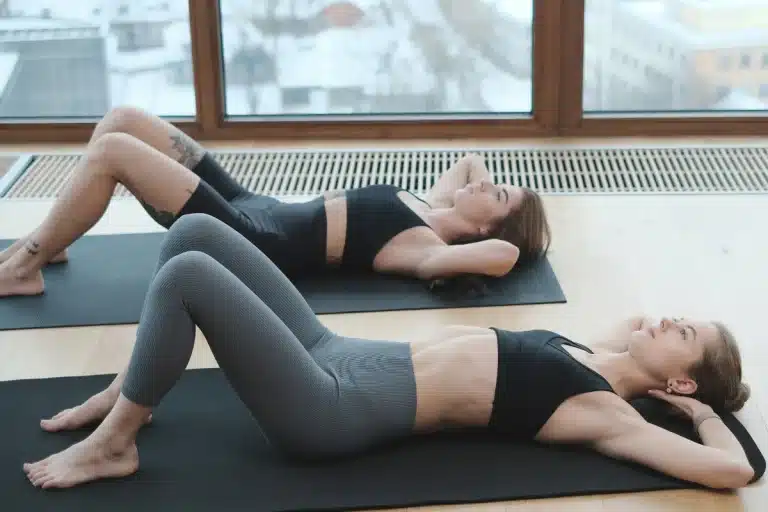
- Lie on your back with knees bent and feet flat.
- Place your hands on the sides of your ribs.
- Inhale through your nose, expanding your ribs outward (not just your belly!).
- Exhale slowly through your mouth while engaging your deep core.
- Repeat for 5-10 breaths before a workout or during daily activities.
Step 2: Strengthen Your Transverse Abdominis (TA)
The transverse abdominis (TA) is your deepest core muscle and acts like a corset for your waist. To activate it properly:
- Try the TA Breathing Drill:
- Inhale, expanding the ribs.
- Exhale, gently pulling the lower belly inward without sucking in.
- Hold for a second, then repeat.
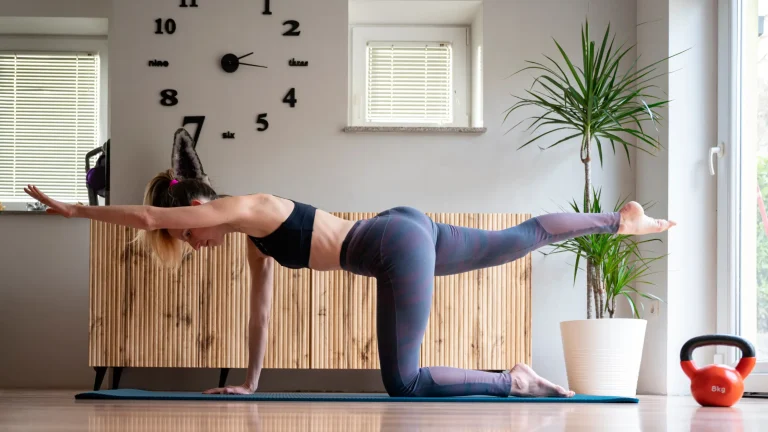
- Incorporate Core Stability Exercises:
- Dead bugs
- Bird-dogs
- Heel slides
TIP: Combine these with proper breathing for stronger abs after baby and better posture!
Step 3: Avoid Common Breathing Mistakes
❌ Holding your breath during exercise – This increases intra-abdominal pressure and weakens the core over time.
❌ Over-sucking in your stomach all day – This can make lower belly pooch worse by disengaging the diaphragm.
❌ Ignoring rib cage mobility – If your ribs don’t move well, your breathing (and core function) will be limited.
💡 Fix it by practicing daily 360-degree breathing and core activation drills!
Ready to Build a Stronger Core?
Improving your breathing isn’t just about relaxation—it’s a game-changer for core strength, pelvic floor health, and postpartum recovery. Practicing diaphragmatic breathing, 360-degree breathing, and deep core activation can make all the difference in how your body feels and functions.