Rounded Shoulders, Tight Hips, and a Weak Core? Here’s How to Fix It
If you struggle with lower back pain, weak glutes, or a weak core, your spinal alignment, pelvic tilt, and muscle imbalances might be to blame. Your spine, pelvic floor, and deep core muscles work as a team—when one part is off, it affects everything else.
In this blog, we’ll cover how spinal curves, hip mechanics, and glute strength impact your movement and provide easy, actionable exercises to restore balance, improve core stability, and reduce pain.
The Importance of Spinal Curves
Your spine naturally has curves that help distribute weight and absorb impact. However, poor posture, pregnancy, and muscle imbalances can affect these curves, leading to discomfort and weak core activation.
Common Spinal Misalignments:
- Kyphosis (hunched upper back) – Often due to excessive forward head posture.
- Lordosis (excessive lower back curve) – Common with tight hip flexors and weak glutes.
- Flat Back (loss of natural curves) – Leads to stiffness and weak core engagement.
Why This Matters for Core Strength
A misaligned spine alters pressure distribution, making it harder for your diaphragm, transverse abdominis, and pelvic floor to engage properly. Improving thoracic mobility and posture helps activate your deep core muscles for better support.
Try This: Thoracic Mobility Drill
- Sit tall with hands behind your head.
- Inhale deeply and arch your upper back slightly.
- Exhale and round forward slightly.
- Repeat 10 times to improve spinal mobility.
Hip Mechanics & How They Affect Your Pelvic Floor
Your hip position influences pelvic floor function and core stability. Tight hip flexors can cause anterior pelvic tilt, while weak glutes lead to poor lower back support.
How to Check Your Pelvic Tilt
- Stand against a wall with your lower back flat.
- If you feel excessive arching, you may have an anterior pelvic tilt (tight hip flexors, weak core).
- If your lower back is too flat, you may have a posterior pelvic tilt (weak lower abs and glutes).
Corrective Exercises for Pelvic Stability
1. Deep Core Activation
- Lie on your back with knees bent.
- Inhale, expand your ribs.
- Exhale, draw your belly button in and engage your deep core.
- Hold for 5 seconds, repeat 8-10 times.
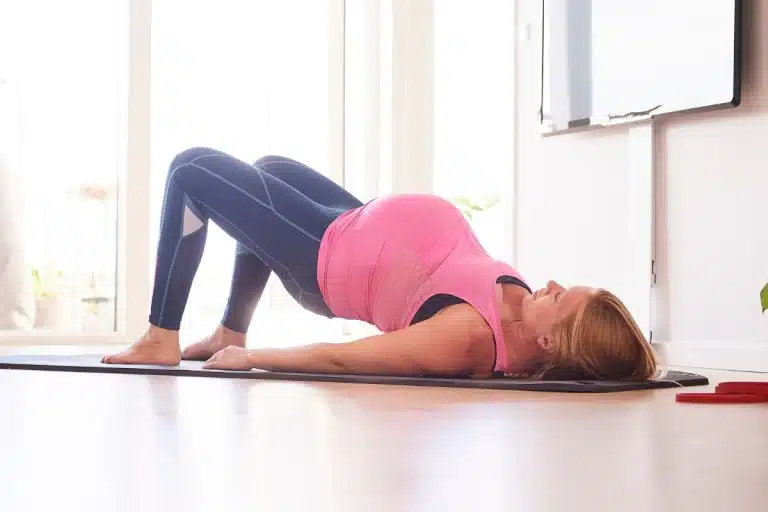
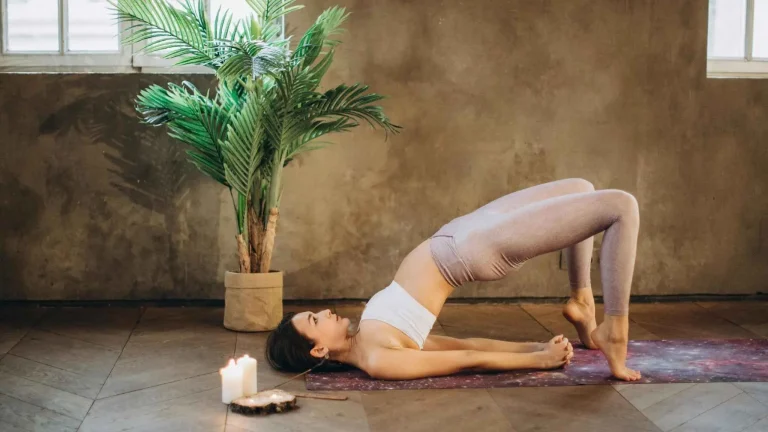
2. Glute Bridges for Pelvic Stability
- Lie on your back, feet hip-width apart.
- Press through your heels and lift your hips.
- Hold for 3 seconds at the top, slowly lower.
- Repeat 12-15 times.
Why Glute Strength is Crucial for a Healthy Lower Back
Your glutes support the pelvis and stabilize the spine. Many people rely on their lower back and hamstrings instead of their glutes, leading to compensations, tightness, and pain.
Signs of Weak Glutes
- Tight hip flexors despite stretching
- Lower back pain during exercise
- Hamstrings cramping when doing bridges or deadlifts
Best Exercises for Glute Strength & Stability
1. Clamshells – Strengthens glute medius (key for hip stability)
- Lie on your side, knees bent.
- Open knees while keeping feet together.
- Hold for 2 seconds, slowly close.
- Repeat 12-15 times per side.
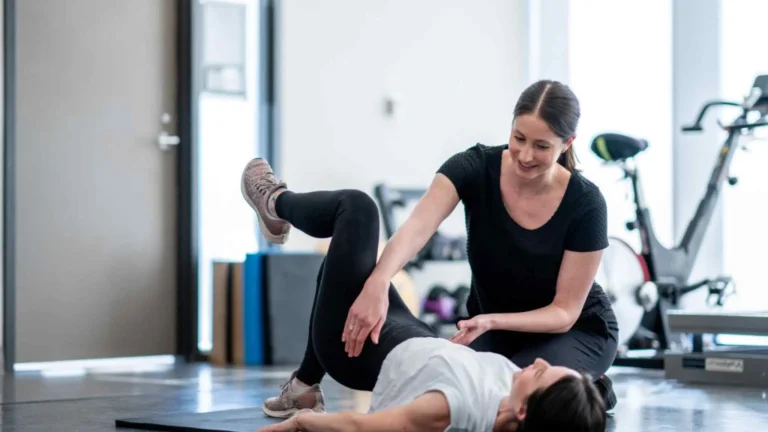
2. Side-Lying Hip Abductions
- Lie on one side, leg straight.
- Lift your top leg, keeping toes slightly pointed down.
- Slowly lower and repeat.
- 12-15 reps per side.
3. Walking Lunges with Core Activation
- Step forward into a lunge, engaging your core.
- Push off the front leg to stand tall.
- Repeat 10-12 times per side.
Take Control of Your Core & Pelvic Stability
By improving spinal alignment, glute strength, and pelvic floor activation, you can build a stronger, pain-free body. These simple exercises reduce back pain, improve posture, and enhance movement efficiency.