7 Pelvic Floor Exercise Mistakes (and How to Fix Them)
Pelvic floor exercises are essential for core strength, bladder control, and overall wellness. But are you doing them correctly? Many people unknowingly make mistakes that hinder their progress or even cause discomfort.
If you’re wondering why you’re not seeing results—or if you’re new and want to get it right the first time—you’ve come to the right place. Let’s uncover the 7 most common mistakes and, most importantly, how to fix them!
1. Not Engaging the Right Muscles
One of the most common pelvic floor exercise mistakes people make is not engaging the correct muscles. Your pelvic floor muscles—a hammock-like group of muscles at the base of your pelvis—play a critical role in supporting your organs and maintaining bladder and bowel control. However, many mistakenly activate their glutes, thighs, or abdominal muscles instead.
How to Fix It:
- Perform a simple test: sit or lie down and focus on squeezing as if stopping the flow of urine.
- Avoid clenching your buttocks or thighs.
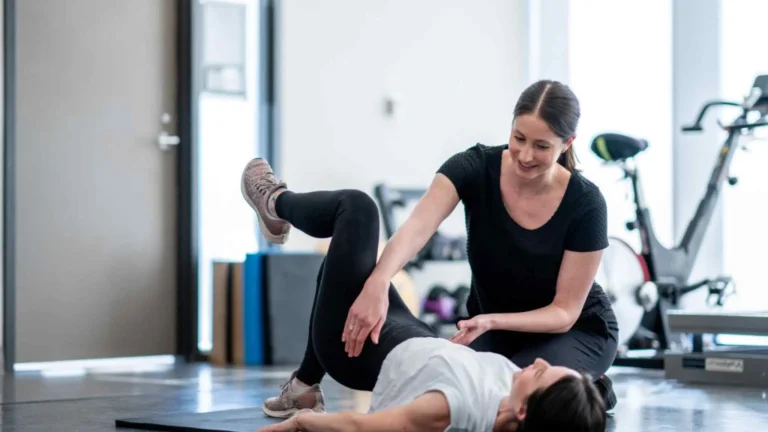
- If you’re unsure, try consulting a pelvic health specialist to ensure proper activation.
2. Holding Your Breath During Exercises
Breathing is a vital part of effective pelvic floor exercises, yet many hold their breath without realizing it. This habit not only reduces oxygen flow but can also create unnecessary tension in your body, making the exercises less effective.
How to Fix It:
- Practice diaphragmatic breathing, which involves deep belly breaths.
- Exhale gently as you engage your pelvic floor, and inhale as you release.
- Incorporate breathing exercises into your routine to establish better muscle coordination.
3. Overdoing or Underdoing Pelvic Floor Exercises
When it comes to pelvic floor exercises, balance is key. Overworking these muscles can lead to tightness and discomfort, while neglecting them entirely means missing out on their benefits.
How to Fix It:
- Aim for consistency rather than intensity. Performing pelvic floor exercises 3-5 times per week is usually sufficient.
- Start with a few reps and gradually increase as you build strength.
- Pay attention to your body’s signals—overdoing it can cause pelvic pain or strain.
4. Using Poor Form or Posture
Posture plays a significant role in ensuring proper pelvic floor engagement. Slouching or overly tensing your body during exercises can prevent the muscles from activating correctly.
How to Fix It:
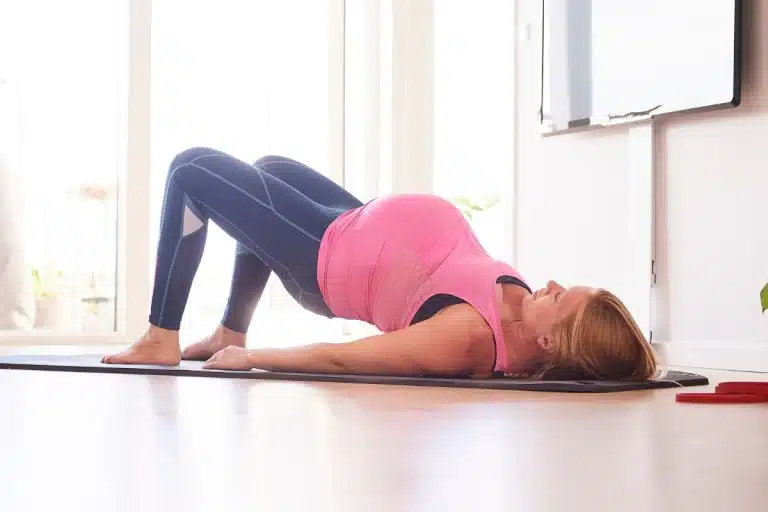
- Sit or stand with your back straight, shoulders relaxed, and feet flat on the floor.
- Imagine a string pulling you up from the top of your head to maintain alignment.
- Consider using props like a yoga block or chair for additional support during exercises.
5. Skipping Relaxation and Stretching
Strengthening the pelvic floor is important, but so is allowing the muscles to relax. A tight or overactive pelvic floor can lead to discomfort, reduced flexibility, and even pain during daily activities.
How to Fix It:
- Incorporate relaxation techniques, such as child’s pose or deep breathing, into your routine.
- Perform gentle stretches like butterfly pose to open up the pelvic area.
- Alternate between strengthening and relaxation exercises for balance.
6. Expecting Instant Results
Patience is essential when working on your pelvic floor. Expecting immediate results can lead to frustration and even giving up. Progress takes time, especially if you’re addressing existing pelvic health issues.
How to Fix It:
- Set realistic expectations and track your progress over weeks, not days.
- Celebrate small wins, like improved bladder control or reduced discomfort.
- Stay consistent—even 5 minutes a day can make a big difference over time.
7. Not Seeking Professional Guidance When Needed
Pelvic floor exercises are not one-size-fits-all. If you’re experiencing persistent issues or uncertainty about your technique, it’s crucial to seek professional guidance. Ignoring problems can worsen symptoms or delay your progress.
How to Fix It:
- Look for a certified pelvic health specialist or physical therapist.
- Schedule regular check-ins to ensure your exercises are tailored to your needs.
- Don’t hesitate to ask questions or voice concerns—your health is worth it.
Conclusion on Pelvic Floor Exercises
Pelvic floor exercises are powerful, but only if done correctly. By avoiding these 7 common mistakes, you can ensure your efforts lead to real results—better bladder control, improved core strength, and enhanced overall well-being. Remember, progress takes time, and perfecting your technique is the first step.
FAQs About Pelvic Floor Exercises
1. Is there a wrong way to do Kegel exercises?
Yes, Kegel exercises can be done incorrectly if you’re not engaging the right muscles. Common mistakes include:
- Clenching the wrong muscles: Many people tighten their thighs, glutes, or abdominal muscles instead of focusing on the pelvic floor.
- Holding your breath: Proper breathing is essential for effective Kegels.
- Overdoing it: Performing Kegels too often or too intensely can lead to muscle fatigue or tightness.
To avoid these errors, ensure you’re isolating the pelvic floor muscles and maintaining a relaxed posture. If unsure, consult a pelvic health specialist.
2. What are the worst exercises for pelvic floor dysfunction?
Certain exercises can exacerbate pelvic floor dysfunction, especially high-impact or heavy-resistance movements. Examples include:
- Heavy weightlifting with poor form: Excessive strain can lead to downward pressure on the pelvic floor.
- High-impact activities: Exercises like running, jumping, or HIIT workouts can worsen symptoms if the pelvic floor isn’t strong enough.
- Full sit-ups or crunches: These can place excessive pressure on the pelvic region.
If you have pelvic floor dysfunction, focus on low-impact movements and exercises tailored to improve pelvic floor strength and stability.
3. What happens if you do pelvic floor exercises wrong?
Performing pelvic floor exercises incorrectly can lead to:
- Increased tightness or pain: Engaging the wrong muscles or overtraining can result in an overactive pelvic floor.
- Lack of results: Improper technique means you’re not effectively targeting the pelvic floor, which can slow progress.
- Pelvic discomfort: Incorrect form or posture may cause unnecessary strain on the area.
It’s important to follow proper guidance, whether through video tutorials, written guides, or professional consultations, to ensure you’re doing them right.
4. What should you not do with pelvic floor exercises?
To protect your pelvic floor and maximize the benefits of your exercises, avoid the following:
- Forcing or straining: Pelvic floor exercises should feel controlled and gentle, not forceful or tense.
- Skipping relaxation: Focusing solely on strengthening without balancing it with relaxation can create tension in the muscles.
- Holding your breath: Always breathe deeply and naturally during exercises.
- Ignoring pain or discomfort: If an exercise feels painful, stop immediately and reassess your technique or seek professional advice.
Listening to your body is key to maintaining pelvic health and avoiding complications.