No Sugar Diet Vision Board: Achieve Your Goals
I created my first No Sugar Diet Vision Board after pinning countless ideas on Pinterest, and I want to show you how simple, visual focus helped me change my habits.
For me, focusing on clean eating recipes and balanced meals made the board feel practical instead of preachy.


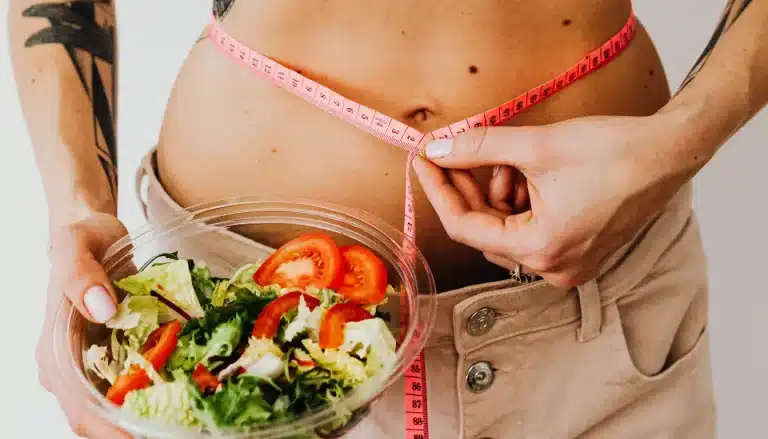
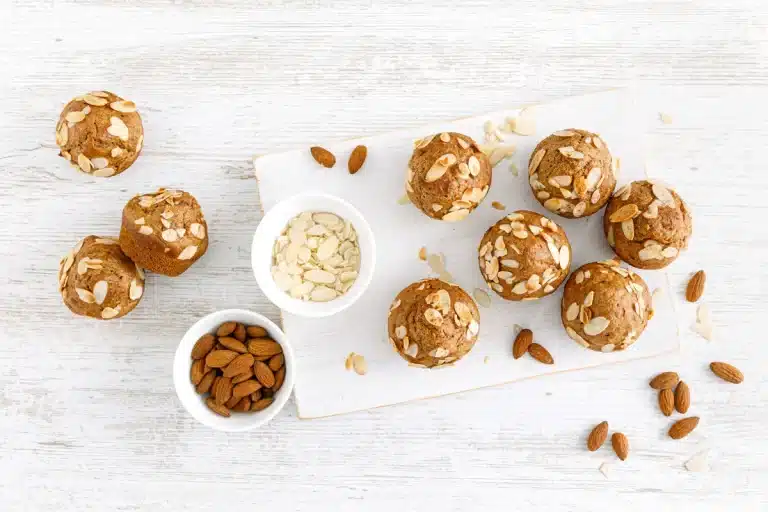
I pinned photos of colorful salads, quick sugar-free snacks, and a few weight-loss progress shots — seeing those images every morning helped me choose better meals and feel more in control of my day.
My vision board became a daily reminder of my goals: to feel energized, lose weight healthfully, and build a sugar-free life that fits my routine.
FREE No Sugar DIET FOOD LIST PDF
Ditch cravings, balance your blood sugar, and feel better in just one week— no calorie counting or weird diet foods.

The Psychology of Visualization for Dietary Success

I learned early on that the way I picture my goals changes how I act. The psychology of visualization plays a big role in dietary success because those mental pictures make choices feel familiar and doable — especially when I pin them to a vision board and see them every day.
How Visual Motivation Affects Behavior Change
Visual motivation is surprisingly powerful. When I spend 3–5 minutes picturing myself choosing a no sugar breakfast or packing a sugar-free snack, that image nudges my real-life decisions. Whether you pin a photo of a balanced meal or save a step-by-step recipe, those images create a mental roadmap that increases commitment and makes healthy choices feel like the normal way to live.
| Visualization Technique | Effect on Behavior | Example |
| Visualizing dietary goals | Increased motivation | Imagining a healthy plate |
| Creating a vision board | Greater commitment | Displaying images of healthy foods |
| Meditating on success | Reduced cravings for sugar | Focusing on a sugar-free lifestyle |
Pin this table to your board — keep it as a quick reference for the best ways to use visualization.
Why Visualization Works for Sugar Reduction
I don’t claim it’s magic, but visualization helps shift attention away from cravings and toward the vision you want to build.
Try a short daily routine: 2–5 minutes each morning looking at your board and silently rehearsing one small behavior (for example, “I choose a protein-rich breakfast”).
Track how your cravings and choices change and adjust the approach that works best for you.
What is a No Sugar Diet Vision Board?
When I say “No Sugar Diet Vision Board,” I mean a purposeful, pin-friendly collection of images, words, and small action prompts that help me stay focused on living with less added sugar.
Visual Components
- Images of healthy, sugar-free foods (colorful salads, protein-packed breakfasts)
- Pictures representing physical activity or simple daily movement
- Photos of progress—my own before/after snapshots or inspirational loss vision board examples I saved on Pinterest
These visuals create a strong mental link between the board and the life I want, which makes it easier to pick the healthier option in the moment.
Affirmation Statements
I keep short, present-tense affirmations on my board that I can actually believe. A few I use and recommend:
“I choose nourishing, sugar-free meals that fuel my day.”
“Small swaps add up: I enjoy tasty treats without added sugar.”
“I feel more energized and steady when I skip added sugars.”
Say one of these aloud each morning, or pin an affirmation image to your board as a reminder. Small, repeated statements help reinforce the goals without becoming unrealistic promises.
Health Benefits of Eliminating Sugar
When I committed to reducing added sugar, I noticed changes that went beyond taste — and many Pinners I follow report similar wins.
Cutting out added sugars can support overall health and vitality, and your vision board can keep those benefits top of mind as you work toward them.
Physical Transformations
One of the first things I tracked was physical change. Removing added sugar often leads to:
- Improved weight management — fewer empty calories make it easier to maintain a calorie deficit and support weight loss goals
- More stable energy throughout the day — instead of sugar highs and crashes, steady meals help me feel consistent
Weight Management
In my experience, cutting back on sugary drinks, snacks, and desserts is a fast way to reduce excess calories.
Related Read: 21 Best Low Sugar Snacks for Healthier Snacking Choices
For many people working on weight loss, simple swaps (like sparkling water for soda or fruit for candy) add up.
If you’re tracking progress, pin a weekly photo or a “weight loss vision” tracker to your board so you can celebrate small wins.
Mental and Emotional Benefits
Beyond physical shifts, others have noticed emotional improvements. Some people report reduced anxiety and better mood stability after cutting back on added sugars.
While individual experiences vary, placing mood-boosting images and calming affirmations on your vision board can reinforce choices that support mental well-being.
Long-term Health Outcomes
Over time, lowering added sugar intake is associated with reduced risk factors for chronic conditions such as type 2 diabetes and heart disease. (If you’re researching long-term outcomes for your board notes, look to reputable sources like the CDC or major medical associations for details.)
Building a “health fitness” section on your board — with pins for regular checkups, movement goals, and nutritious meals — helps keep long-term goals visible.
Pin an energy-tracker printable to your board and check it weekly — small, consistent habits are what build lasting change.
Creating Your No Sugar Diet Vision Board Step-by-Step
I made my No Sugar Diet Vision Board as a mix of practical meal ideas and small habit prompts — and it became the way I actually stuck to my goals. A vision board can be a daily, pin-able reminder of what you want to feel and achieve, whether you use a physical board or a Pinterest board.
Related Read: If You’re Always Tired and Craving Sugar — Try This First
Supplies and Materials Needed
For a physical board, I used a foam board, old magazines, scissors, and glue. To make the process even more inspiring, I love using this aesthetic Vision Board Kit to get high-quality, curated images and quotes that make the board look professional and cohesive.
If you want a digital, easily shareable option, Canva and Pinterest are my go-tos for templates and editing — perfect for creating Pinterest-ready pins sized 1000 x 1500 px.
Quick Pinner checklist to start:
- Create a new Pinterest board titled “No Sugar Board — Meals & Motivation.”
- Gather 5 breakfast pins, 5 snack ideas, 3 affirmations, and 1 progress photo or tracker card.
- Pick one Canva template for a consistent look (use the same font and color palette for all pins).
Digital vs. Physical Board Options
I love both. A physical board gives a tactile experience — cutting photos and arranging them feels grounding. A digital board lives on my phone, so I see it whenever I open Pinterest. For weight loss and meal planning, I keep a “vision board weight” section on Pinterest for recipes and progress photos.
| Characteristics | Physical Board | Digital Board |
| Tactile Experience | Yes | No |
| Accessibility | Limited to physical location | Accessible anywhere |
| Ease of Update | More difficult to change | Easily editable |
Designing Your Layout for Maximum Impact
Design your board so it answers three questions at a glance: WHY (your reason), WHAT (images of the life you want), and HOW (tiny actions to try now). I arrange mine with the WHY at top-left, images in the center, and step-by-step actions or a meal plan at the bottom.
Placement Strategies
Put the board where you’ll see it daily — my kitchen wall and my pinned Pinterest board are both visible and effective.
If you choose digital, pin one image as your phone lock-screen wallpaper or save the board to a Pinterest section labeled “Daily.”
Color Psychology for Motivation
I use a simple palette so the board feels calm and motivating. Try green tones for health and harmony (hex examples: #6DBE7F, #A7E3B7) and soft blue for calm (#6FA8DC). Keep fonts readable and images high-contrast for easy scanning on mobile.
Using consistent colors and fonts helps your pins look like a cohesive set — Pinterest users are more likely to repin a polished, consistent aesthetic.

By following these steps — choosing the right format, gathering photos, using a consistent design, and placing the board where you’ll see it — you’ll create a vision board that actually helps you make changes.
Pin your finished template, save a copy to your phone, and use the board as a daily nudge toward cleaner meals and sustainable weight-loss habits.
WHAT to Include on Your No Sugar Diet Vision Board
I built my board around visuals that actually make me want to choose better options — and you can do the same. The right images and short phrases should reflect your personal journey so the board makes you feel motivated instead of overwhelmed.
Before and After Transformation Images
I saved my own progress photos and a few inspiring transformations I found on Pinterest. If you use someone else’s photos, always get permission or use images labeled for reuse — and consider creating a dedicated “before & after” section on your board so you can track real progress over time.
Motivational Quotes and Affirmations
Short, believable affirmations are my go-to when cravings hit. Stick to present-tense lines that feel true and actionable.
No Sugar Diet Aesthetic Elements
Think about the look you want your life to take — bright, fresh food photography, simple recipe steps, and fitness imagery that feels achievable. That aesthetic helps you imagine what your day-to-day will look like without added sugar.
Food Photography Ideas
Use photos that make you hungry for healthy food. My favorite pin types:
- Close-up flatlays of colorful salads and bowls (clean background, natural light)
- Step-by-step recipe shots for quick breakfasts and snacks
- Styled images of sugar-free desserts that look indulgent but healthy
Fitness and Wellness Imagery
I include simple movement photos — short runs, yoga poses, and strength sessions — so my board reflects life, not extremes. These images remind me of the fit, healthy lifestyle I want.
| Activity | Benefit |
| Running | Improves cardiovascular health |
| Yoga | Enhances flexibility and reduces stress |
| Weightlifting | Builds strength and muscle mass |
Ultimately, the best vision board is one that makes you want to act.
Pin images that make you feel like the person you want to become, add a few short affirmations, and create a “how it looks” section so you can see what daily life will look like after the change.
Aligning Your Vision Board with a Practical No Sugar Diet Plan
My vision board works best when it’s paired with a realistic, weekly plan I can actually follow.
The board keeps the inspiration visible; the plan tells me what to do each day. Together, they turn a vague “I want to cut sugar” into a clear set of small steps that build momentum toward weight loss and a healthier life.
Essential Foods for Your No Sugar Diet
I focus my meal plans and grocery list on whole foods that keep me full and satisfied. My staples are:
- Fresh vegetables — versatile, low-calorie bases for meals
- Lean proteins — chicken, fish, eggs, and plant-based proteins to keep energy steady
- Healthy fats — avocado, olive oil, nuts to promote satiety
Sugar-Free Alternatives
For occasional sweet swaps, I keep a few trusted options on my board: stevia and monk fruit sweeteners work for many people as sugar-free alternatives, but I note personal tolerance and flavor preferences in my pin captions.
If you have health conditions or concerns, check with a healthcare provider before making bigger dietary changes.
Meal Planning Strategies
Here’s the meal-planning routine I pin and use: I plan 3 breakfasts, 3 lunches, and 4 dinners for the week, plus two go-to snacks. I dedicate one evening to meal prep (batch-cook a protein and roast vegetables) so I have easy, no-sugar options on busy days.
Tip for Pinterest users: create a “Meal Plan” section on your board. Pin one printable weekly planner and three recipe cards sized 1000 x 1500 px so they’re click-ready and shareable.

High Protein Low Carb Recipe Ideas
High-protein, lower-carb meals help me stay full and support my weight-loss goals. Two recipes I pin and reuse:
- Grilled lemon-herb chicken with roasted broccoli and a handful of quinoa (serves 2): 2 chicken breasts, lemon, olive oil, garlic, 2 cups broccoli, 1/2 cup quinoa.
- Spinach salad with hard-boiled egg, cherry tomatoes, avocado, and a mustard-olive oil dressing (easy, high-protein lunch).
Suggested pin title and description to use: “Weeknight Grilled Chicken — High Protein, No Added Sugar. Pin this easy meal to your No Sugar Board for quick weight-loss-friendly dinners. #HealthFitness #FitHealthy”
By combining a well-structured meal plan with your vision board — use vision board sections for “recipes,” “meal plan,” and “progress photos” — you make the board actionable.
Pin your favorite recipe cards, save photos that show the life you want, and use small, repeatable habits (weekly meal prep, daily protein at breakfast) to create sustainable change.
Maintaining Motivation Through Vision Board Practices
My vision board became most useful when I turned it into a daily habit rather than a one-time craft project. A well-made board keeps inspiration visible and gives me a predictable way to refocus when cravings or busy days throw me off course.
Daily Visualization Routines
I take 60–90 seconds each morning to look at my board while I sip coffee. I read one affirmation, scan three images that represent the day I want, and silently rehearse one small action. Try this short script and pin it as a phone-sized reminder:
Daily Script (30–90 seconds): “I see the life I want. Today, I choose one sugar-free swap. I feel steady and energized.”
Tracking Progress and Celebrating Milestones
Tracking progress turns the board from aspirational to practical. I photograph weekly check-ins and pin a “progress” section on my board. Celebrating milestones — however small — keeps momentum going.
| Milestone | Celebration Idea |
| 1 Week No Sugar | Enjoy a sugar-free dessert or try a new recipe |
| 1 Month No Sugar | Share your progress on social media or pin a before/after photo |
Tip for Pinners: Create a Pinterest section called “Progress” and pin weekly photos or a printable tracker so you can see small wins build into big change.
Refreshing Your Board for Continued Inspiration
I refresh my board monthly or after hitting a milestone. Updating images and adding new goals helps the board reflect where I actually am, not where I used to want to be.
When to Update Images
Replace images when they no longer excite you, after you hit a milestone, or when your goals shift (for example, from “lose weight” to “maintain weight and gain strength”).
Adding New Goals as You Progress
As you progress, add new, concrete goals to your board — maybe a fitness challenge, a recipe collection, or a new habit (like drinking more water).
Use Pinterest sections to organize “recipes,” “workouts,” and “milestones” so your board is easy to navigate and feels actionable.
One last practice that helps me: Every month, I do a quick “board refresh checklist” (swap 3 images, add 1 new goal, update one affirmation). Pin that checklist to your board and set a calendar reminder — small regular updates keep the vision fresh and your focus sharp.
Conclusion
I started my no sugar diet vision board with one simple pin — and that tiny habit grew into a whole new way of eating and feeling.
Want a quick checklist to get started? Pin this and use it as your first template:
- Choose 10 images that show the life you want (meals, movement, energy).
- Write 3 short affirmations you can believe and say each morning.
- Pick one weekly habit to track (meal prep night, daily protein at breakfast, or one sugar-free swap).
Pin your finished board to Pinterest, save a copy to your phone, and share it with a friend or a community board for accountability.