Ultimate No Sugar Diet Food List PDF Guide
Did you know the average American consumes about 77 pounds of added sugar per year — roughly 60,000 teaspoons. Over the past decade I’ve helped hundreds of people switch to a no-sugar diet, and one consistent lesson is this: a clear food list and a simple, printable guide make sticking with a sugar-reduction plan far easier and faster.
Whether your goal is weight loss, steadier energy levels, or better overall health, this Ultimate No Sugar Diet Food List PDF Guide gives practical pantry swaps, label-red flags, and meal ideas so you can shop and plan smarter. Scroll on for quick sections (Types of Sugar, Cheat Sheet, Approved Foods, Foods to Avoid, and FAQs) — or jump straight to the downloadable PDF at the end to keep a printable food checklist on hand.


Types of Sugar & Why They Matter to Blood Sugar and Weight
Naturally occurring vs. added sugars
When I started teaching nutrition classes 13 years ago, I learned a simple truth: sugar isn’t only the white stuff in the bowl. Many packaged foods hide added sugars under different names, which makes it easy for people to consume far more sugar than they realize.
Manufacturers list sugar in many forms. I regularly spot dozens of aliases on labels — some sound like chemistry (maltodextrin, dextrose), others are syrups or concentrates. The practical takeaway: learn the common aliases so you can spot added sugars quickly and reduce hidden sugar intake on a no-sugar diet.
FREE No Sugar DIET FOOD LIST PDF
Ditch cravings, balance your blood sugar, and feel better in just one week— no calorie counting or weird diet foods.

Quick split: there are two main types of sugar in foods — naturally occurring sugars and added sugars. Naturally occurring sugars appear in whole foods like fruits (fructose) and milk (lactose) and come with fiber, vitamins, and other nutrition that slow absorption and support steadier blood sugar. Added sugars are those manufacturers add during processing; they contribute extra calories and are the primary concern for weight, blood health, and long-term health.
How sugar speed affects blood sugar: the glycemic index
One point I stress to clients: while different sweeteners vary in composition, what often matters most for your body is how quickly sugar reaches the bloodstream. The glycemic index (GI) is a practical way to think about that — it’s essentially a speed limit for glucose entering your blood. High-GI foods (white bread, soda) can spike blood sugar rapidly; low-GI choices (sweet potatoes, apples) raise it more slowly. Prioritizing low-GI whole foods helps support steady energy levels, fewer sugar cravings, and improved blood sugar control. If you have diabetes or take glucose-lowering medication, check changes with your clinician or nutritionist before making big diet shifts.
Practical GI examples (quick visual): high-GI — white bread, soda; moderate-GI — brown rice, pineapple; low-GI — apples, sweet potatoes, most non-starchy vegetables. (For precise GI values, refer to published GI tables from reputable sources.)
Label tip: check the Nutrition Facts for “added sugars” (grams). If a product lists added sugars or shows multiple sugar names in the top five ingredients, it’s a red flag for a high-sugar product. For a short list of common aliases to watch for (maltodextrin, dextrose, high-fructose corn syrup, cane sugar, rice syrup), jump to the cheat-sheet below for a printable list and quick swaps.
No-Sugar Cheat Sheet: Spot Hidden Sugars Fast
Here’s a practical, printable cheat-sheet to help you spot added sugars quickly when shopping or scanning your pantry — and to make smart swaps that reduce added sugars and curb sugar cravings.
Label red flags
- Watch ingredient endings like “-ose” (dextrose, sucrose, maltose) — they almost always indicate sugar.
- Syrups and concentrates are red flags (corn syrup, rice syrup, maple syrup, juice concentrate).
- Be skeptical of “natural sweeteners” (agave nectar, honey) — they still count as sugar for intake and can affect blood sugar and cravings.
- If you see multiple sugar forms in the first five ingredients, consider it a high-sugar product.
Top hidden-sugar names (quick reference): maltodextrin, dextrose, high-fructose corn syrup, corn syrup, cane sugar, evaporated cane juice, rice syrup, molasses, sorbitol, maltose, fructose, glucose.
Quick conversions & notes
About 4 grams of sugar ≈ 1 teaspoon — so a 12‑gram serving has roughly 3 teaspoons. Use this conversion to visualize added sugar per serving on the Nutrition Facts label.
Note: sugar alcohols (like sorbitol) and non-nutritive sweeteners (erythritol, stevia) behave differently — sugar alcohols can still affect digestion and, to a lesser extent, blood sugar; non-nutritive sweeteners don’t provide sugar calories but may influence cravings for sweet tastes. Treat them intentionally on your -sugar diet according to your goals.
You’re not demonizing all sugar — whole fruits and dairy bring nutrients and can fit into a lower-added-sugar plan — but the goal is to minimize added sugars that drive excess calorie intake and unstable blood sugar.
Actionable pro tips (quick swaps)
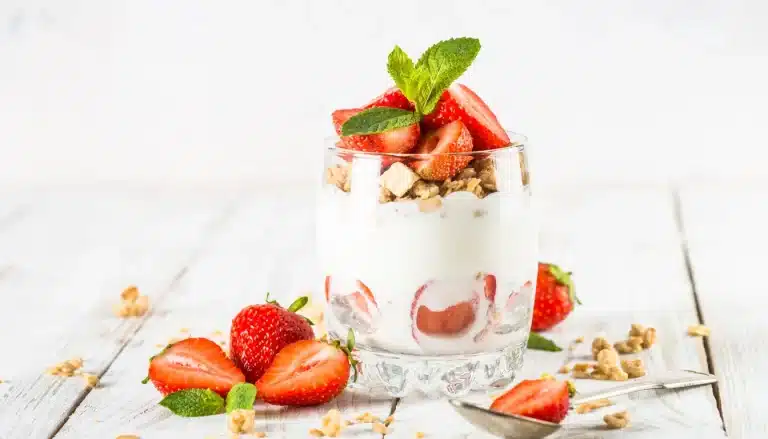
- Flavored yogurt → plain Greek yogurt + fresh berries (controls added sugars, adds fiber).
- Sweetened cereal → steel-cut oats or unsweetened whole-grain cereal + nuts/seeds.
- Bottled sauces → homemade tomato sauce (no sugar) or check for “no added sugar” labels.
Pro tip: start with one shelf in your pantry — circle sugar names you find. Use this cheat-sheet and the Ultimate No Sugar Diet Food List PDF Guide to swap high-sugar items for whole-food alternatives and reduce overall sugar intake over time.
Approved No-Sugar Foods: Proteins, Vegetables, Fruits, Fats & Grains

When I built a no-sugar food plan for clients, grocery shopping became my research lab — and the results shaped this practical food list. These reliable, low‑added‑sugar foods will help your diet support weight loss, steadier blood sugar, sustained energy, and better overall health. Below are H3 sections with quick meal examples and easy swaps to put the list into practice.
Proteins (anchor each meal — aim for ~20–30 g per meal)
- Fresh chicken breast (unsauced, no pre‑marinated mixes) — swap suggestion: grilled chicken + steamed veg instead of pre‑marinated strips.
- Wild‑caught fish (salmon, cod, halibut) — breakfast/lunch idea: salmon + mixed greens, olive oil dressing.
- Grass‑fed beef or fresh turkey (choose unprocessed cuts) — quick meal: turkey burger (no bun) + salad.
- Eggs (whole eggs are nutrient‑dense — versatile and low in sugars) — breakfast: scrambled eggs + spinach.
- Plain tofu and tempeh (for plant‑based protein) — stir‑fry with low‑sodium tamari, no sweet sauces.
Note: deli meats sometimes contain added sugars — ask for whole‑cut meats, or read labels carefully. (Protein target is a practical guideline; consult a nutritionist for individualized needs.)
Vegetables (fill half your plate; prioritize non‑starchy choices)
- Leafy greens: spinach, kale, Swiss chard — salad idea: mixed greens + olive oil + lemon + grilled chicken.
- Cruciferous: broccoli, cauliflower, Brussels sprouts — roast with olive oil and herbs.
- Bell peppers, cucumber, celery, zucchini, mushrooms — snack or stir‑fry staples.
Quick note on carrots and root veggies: they contain natural sugars but also fiber — in normal portions they fit a no‑sugar plan. Aim to fill half your plate with vegetables at lunch and dinner for balanced blood sugar and energy.
Fruits (choose lower‑sugar options and watch portions)
- Berries (blackberries, raspberries — high fiber, lower sugar) — snack: plain Greek yogurt + mixed berries.
- Green apples (lower sugar than many varieties) — pair with nut butter for satiety.
- Grapefruit, lemons, limes, avocado (low sugar, high nutrition) — use citrus for dressings; avocado for healthy fats.
Tip: treat fruit as part of a meal (with protein or fat) to slow sugar absorption and stabilize energy levels.
Healthy fats — essential to control sugar cravings and keep energy steady
- Olive oil, avocado oil (use for cooking and dressings) — use olive oil for salads and avocado oil for high‑heat cooking.
- Coconut oil (use sparingly due to saturated fat content) — good for specific recipes, but prioritize monounsaturated oils.
- Raw nuts: almonds, walnuts, macadamias (watch portions — calorie dense) — snack idea: 1 oz nuts + a small apple.
- Seeds: chia, flax, hemp (great for fiber and satiety) — add to oatmeal or yogurt.
Dairy (stick to plain, unsweetened options)
- Plain Greek yogurt (avoid flavored varieties) — swap: flavored yogurt → plain + berries + a sprinkle of seeds.
- Unsweetened almond milk and heavy cream (use sparingly) — check labels for added sugars.
- Hard cheeses and cottage cheese (check for added ingredients)
For dairy‑free diets, use unsweetened plant milks and fortified fermented options for protein and probiotics.
Whole grains & starchy choices (minimally processed; watch portions)
- Steel‑cut oats (avoid flavored instant packets) — breakfast example: steel‑cut oats + plain yogurt + chia seeds.
- Quinoa, buckwheat, brown rice, wild rice (choose whole grains) — swap white rice for wild rice or quinoa to slow sugar absorption.
Portion guidance: treat whole grains as a side (½ to 1 cup cooked) depending on activity level and weight goals.
Beverages — stick to plain, unsweetened drinks
- Water (add lemon or lime for flavor)
- Unsweetened coffee and plain teas (green, black, herbal)
- Sparkling water (unflavored) and coconut water with no added sugars (check labels — some brands add sugar)
Pro tip: always read the ingredient list — “organic” doesn’t guarantee no added sugars. Use whole, unprocessed foods as the base of your meals and keep a handful of these approved foods on hand so you’re never left hungry and tempted by high‑sugar options.
Quick 2 sample meals: Breakfast — steel‑cut oats + plain Greek yogurt + chia seeds; Dinner — grilled salmon + large mixed‑greens salad + quinoa (½ cup cooked).
Want a printable shopping list and a 7‑day sample meal plan that uses these foods? Jump to the PDF download at the end of this article to save time and streamline your no‑sugar plan.
Foods to Avoid on a No-Sugar Diet
At first glance you might think “just skip candy and desserts,” but added sugars hide in many processed foods. Over the years I’ve helped people spot the sneaky culprits so they can cut added sugars, reduce sugar cravings, and improve energy and weight without feeling deprived.

Obvious sweets
- Candy and confections (including “natural” candies)
- Regular soda and sugary soft drinks
- Baked goods — cookies, pastries, donuts, muffins
- Ice cream and sweet frozen desserts
- Flavored yogurts and many breakfast cereals
Hidden sugars in sauces & condiments
Condiments and bottled sauces often hide added sugars — for example, ketchup commonly contains ~3–4g added sugar per tablespoon (check labels across brands). Many BBQ and pasta sauces, teriyaki, and sweet chili sauces add sugar for flavor. When in doubt, check grams of added sugars per serving and ingredient order.
- Ketchup, BBQ sauce, bottled pasta sauces (some have as much sugar as a cookie per serving)
- Salad dressings (especially fat‑free versions that replace fat with sugars)
- Sweetened condiments like teriyaki, sweet chili, and some mustards
“Wolf in sheep’s clothing” health foods
- Smoothie shop drinks (depending on size and mix-ins, some servings can exceed 50g sugar — always check portion and ingredients)
- Store‑bought trail mix and flavored nuts (often candied)
- Protein bars and many “nutrition” bars (read sugar grams — many are cookie‑like)
Surprisingly sugary staples
- Bottled sauces and canned soups
- Deli meats and some cured meats (look for sugar in the ingredient list)
- Dried fruit (many are sweetened — check cranberries and mangoes; practice portion control)
- “Low‑fat” labeled products (often higher in added sugars)
Beverage red flags
- Bottled iced tea and many ready‑to‑drink coffees
- Kombucha and flavored coconut waters (some brands add sugar — check labels)
- Energy drinks and many “functional” waters
Label‑check action & bread alert
If any sugar alias appears in the first five ingredients, or the product lists more than ~5–8g added sugar per serving, consider swapping it for an unprocessed alternative (this is a practical heuristic, not a strict rule). Example swaps: flavored yogurt → plain Greek yogurt + berries; sweetened cereal → steel‑cut oats with nuts and seeds; BBQ sauce → homemade no‑sugar tomato sauce.
Bread alert: many commercial breads — even some whole‑grain varieties — contain added sugars. Choose breads with minimal additives or opt for whole‑grain rice, quinoa, or buckwheat as alternatives.
Start small — check one pantry shelf per shopping trip and circle sugar names. A few targeted swaps will quickly cut added sugars, support weight loss, steady blood sugar, and improve long‑term health and energy.
FAQs — Common Questions on Going No‑Sugar
Q: What are some healthy foods with no sugar?
Plenty — think whole, unprocessed foods: colorful vegetables, plain proteins like chicken, fish, and eggs, healthy fats from avocados and nuts, and low‑sugar fruits such as berries and green apples. These choices support a no‑sugar diet, help stabilize energy levels, reduce sugar cravings, and make it easier to control daily sugar intake.
Q: What happens after 30 days of no sugar?
Many people report improved energy, fewer cravings, clearer skin, and better sleep after about 30 days — though individual results vary based on starting habits, overall diet, activity, and health. These are commonly reported, mostly anecdotal benefits; clinical responses depend on health status and baseline sugar intake. If you want evidence‑based timelines, try tracking symptoms and energy for the first 7 days, then again at 2–4 weeks to see changes in energy and cravings.
Q: What are the rules for the 30‑day no‑sugar challenge?
Basic rules: eliminate added sugars (including honey, maple syrup, and syrups), avoid fruit juices and sugary beverages, and focus on whole, unprocessed foods. Natural sugars in whole fruits are allowed in reasonable portions and ideally paired with protein or fat. If you have diabetes, take glucose‑lowering medication, or have other medical conditions, consult your healthcare provider or a licensed nutritionist before starting — do not change medications without medical advice.
Q: What are examples of “free sugar” foods?
“Free sugars” (added sugars) include table sugar, honey, maple syrup, high‑fructose corn syrup, and any sugars added during processing. Common foods high in free sugars include flavored yogurts, granola bars, soda, sweetened cereals, and many packaged snacks — always check the Nutrition Facts panel for “added sugars” in grams.