How to Stretch Your Pelvic Floor: Techniques for Relaxation
Your pelvic floor plays a crucial role in supporting your internal organs, maintaining posture, and controlling bladder and bowel functions. However, just like any other muscle group, the pelvic floor can become tight and overworked due to stress, poor posture, or physical overuse.
Stretching your pelvic floor is essential for relieving tension, improving flexibility, and enhancing overall pelvic health. In this guide, we’ll explore the best techniques for stretching your pelvic floor.
Why Stretching the Pelvic Floor is Important
The pelvic floor forms the base of your core and works in harmony with your diaphragm, abdominals, and back muscles. When the pelvic floor is tight or overactive, it can lead to discomfort, pain, or even dysfunction.
Benefits of stretching the pelvic floor include:
- Reducing pelvic pain and discomfort.
- Improving flexibility and range of motion in the hips and lower back.
- Promoting relaxation and relieving tension caused by stress.
- Supporting overall posture and alignment.
Tightness in the pelvic floor can result from prolonged sitting, poor posture, stress, or overexertion during workouts. Incorporating regular pelvic floor stretches into your routine can counteract these effects and enhance your quality of life.
Signs Your Pelvic Floor Needs Stretching
A tight pelvic floor may show up as:
- Pelvic pain or discomfort during daily activities or exercise.
- Lower back pain or stiffness.
- Difficulty urinating or feelings of incomplete bladder emptying.
- Pain during intimacy or general sensitivity in the pelvic region.
If you experience any of these symptoms, gentle stretching can provide relief. However, persistent or severe symptoms may require consultation with a pelvic health specialist.
Best Stretches for the Pelvic Floor
Here are some effective pelvic floor stretches that target tension and improve flexibility. Practice these movements mindfully, using deep diaphragmatic breathing to enhance relaxation.
1. Child’s Pose
- Begin on your hands and knees.
- Sit your hips back onto your heels while reaching your arms forward.
- Keep your knees wide apart to allow your hips to open.
- Hold for 30 seconds to 1 minute, breathing deeply. Benefits: This gentle pose stretches the lower back and relaxes the pelvic floor muscles.
2. Happy Baby Pose
- Lie on your back and bring your knees towards your chest.
- Grab the outer edges of your feet with your hands, keeping your knees bent.
- Gently press your knees towards the floor while keeping your tailbone grounded.
- Hold for 30 seconds, maintaining steady breaths. Benefits: Opens the hips and releases pelvic tension.
3. Deep Squat Stretch
- Stand with your feet shoulder-width apart and toes slightly turned out.
- Lower into a deep squat, bringing your hips as close to the ground as possible.
- Place your elbows inside your knees and press gently outward for a deeper stretch.
- Hold for 20-30 seconds. Benefits: Improves hip and pelvic flexibility while promoting relaxation.
4. Butterfly Stretch
- Sit on the floor with the soles of your feet together and your knees out to the sides.
- Hold your feet with your hands and gently press your knees towards the floor.
- Keep your spine long and hold for 20-30 seconds. Benefits: Targets the inner thighs and pelvic floor muscles.
5. Cat-Cow Stretch
- Start on your hands and knees, with your wrists under your shoulders and knees under your hips.
- Inhale as you arch your back (Cow Pose), lifting your tailbone and chest.
- Exhale as you round your back (Cat Pose), tucking your pelvis under.
- Repeat for 8-10 cycles. Benefits: Relieves tension in the pelvic floor, lower back, and hips.
Tips for Effective Pelvic Floor Stretching
To maximize the benefits of these stretches, follow these tips:
- Focus on your breath: Diaphragmatic breathing helps relax the pelvic floor and deepen each stretch. Inhale deeply into your belly and exhale slowly.
- Move mindfully: Avoid rushing through the stretches. Hold each position for at least 20-30 seconds to allow your muscles to release tension.
- Use props if needed: Yoga blocks, cushions, or rolled towels can provide extra support during certain poses.
- Pair stretching with relaxation: Activities like warm baths, meditation, or gentle yoga sequences can enhance pelvic floor relaxation.
Common Mistakes to Avoid While Stretching Pelvic Floor
When stretching the pelvic floor, it’s important to avoid these pitfalls:
- Holding your breath: This can create tension and counteract the relaxation process.
- Forcing the stretch: Never push your body into discomfort. Stretching should feel gentle and controlled.
- Neglecting other areas: The hips, lower back, and inner thighs all influence the pelvic floor. Be sure to stretch these areas as well.
Maintaining Pelvic Floor Health
Stretching is just one part of a balanced approach to pelvic floor health. To maintain optimal function:
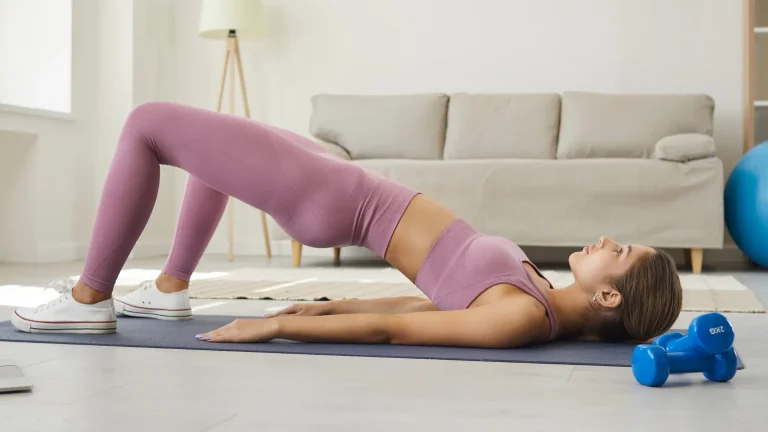
- Incorporate strengthening exercises: Balance flexibility with core-strengthening movements like bridges or pelvic tilts.
- Practice good posture: Sitting and standing with proper alignment reduces unnecessary strain on the pelvic floor.
- Manage stress: Chronic stress can lead to pelvic tension, so prioritize relaxation and mindfulness practices.
Conclusion
Stretching your pelvic floor is a vital step toward improving flexibility, reducing tension, and enhancing your overall well-being. Whether you’re practicing Pilates or yoga these exercises can make a significant difference in how your body feels and functions. Remember, consistency is key.
With regular practice and mindful movement, you’ll enjoy the benefits of a relaxed and healthy pelvic floor. Start today and take the first step toward better pelvic health!
FAQs About Pelvic Floor Stretching
1. How do you loosen tight pelvic floor?
To loosen a tight pelvic floor, focus on relaxation and gentle stretching. Exercises like Child’s Pose, Happy Baby Pose, and deep diaphragmatic breathing help release tension. Avoid overworking the pelvic floor and prioritize mindfulness to let the muscles relax naturally.
2. Does stretching help the pelvic floor?
Yes, stretching helps the pelvic floor by relieving tension, improving flexibility, and enhancing overall mobility. Stretching also promotes better blood flow to the area, which supports muscle recovery and relaxation.
3. How long does it take to stretch the pelvic floor?
The time required to see results varies depending on the individual. With consistent practice, many people notice improvements in flexibility and tension relief within a few weeks. Holding each stretch for 20-30 seconds daily can make a significant difference over time.
4. How do you know if your pelvic floor is tight?
Signs of a tight pelvic floor include:
- Pelvic pain or discomfort.
- Difficulty with urination or bowel movements.
- Pain during intimacy.
- Lower back or hip pain. If these symptoms persist, consider consulting a pelvic health specialist for guidance.