How I Stopped Leaking and Flattened My stomach by Fixing One Simple Thing
How I stopped leaking had nothing to do with kegels or crunches—and everything to do with one thing: intra-abdominal pressure. If you’ve ever struggled with a weak core, back pain, or pelvic floor dysfunction, chances are your IAP is out of balance. Understanding how pressure works inside your body is the key to unlocking a stronger core, better posture, and a healthier pelvic floor.
In this guide, we’ll break down what intra-abdominal pressure is, how it affects your deep core and pelvic floor muscles, and how you can use it to strengthen your core properly—without making common mistakes that lead to abdominal tension, diastasis recti, or pelvic floor issues.
What Is Core Pressure?
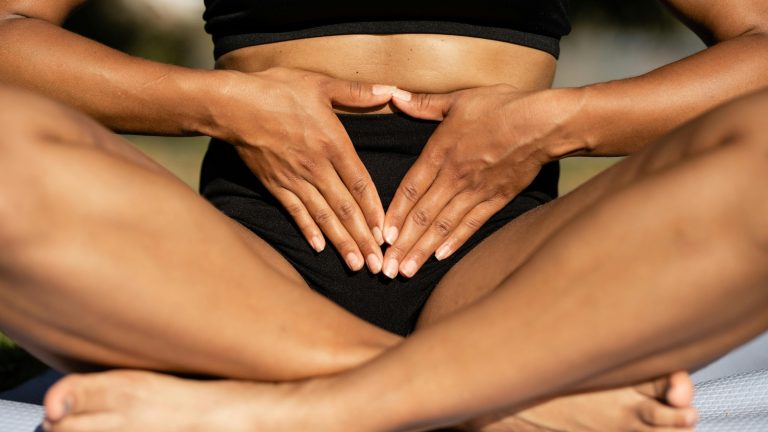
Your core isn’t just your abs—it’s a pressure system that includes:
- Diaphragm (your breathing muscle)
- Deep core muscles (transverse abdominis, obliques, rectus abdominis)
- Pelvic floor muscles
- Lower back muscles (multifidus, spinal stabilizers)
When these muscles work together, they create a balance of pressure inside your abdomen, supporting your spine and pelvic organs. But when the pressure is off? You might experience:
✅ Lower belly pooch that won’t go away
✅ Back pain and poor posture
✅ Pelvic floor issues like leaking or prolapse
✅ Diastasis recti (ab separation)
Most people don’t realize they are mismanaging their core pressure daily. That’s why traditional ab workouts (like crunches or planks) often do more harm than good!
What Happens When Core Pressure Is Off?
When your intra-abdominal pressure is too high or too low, your body compensates in ways that weaken your deep core and create tension in the wrong places. Here’s what happens:
Too Much Core Pressure (Over-Bracing)
- Holding your breath during exercise
- Over-squeezing the abs, causing downward pressure on the pelvic floor
- Can contribute to hernia, prolapse, or diastasis recti
Too Little Core Pressure (Weak Engagement)
- Not engaging deep core muscles during movement
- Belly bulging outward instead of core wrapping inward
- Leads to low back pain, instability, and poor posture
💡 Quick Self-Test: Try exhaling fully while wrapping your deep core inward. If you feel your belly pushing out instead of gently pulling in, you might not be managing your intra-abdominal pressure correctly.
Why Your Breathing Patterns Affect Your Core Strength
Breathing isn’t just about oxygen—it’s about pressure regulation.
If you’re breathing too shallow (from your chest), your diaphragm isn’t fully engaging, which weakens your deep core and pelvic floor over time.
👉 The Fix? 360-Degree Breathing (aka diaphragmatic breathing).
This technique distributes pressure evenly throughout the front, back, and sides of your core.
How to Practice 360-Degree Breathing
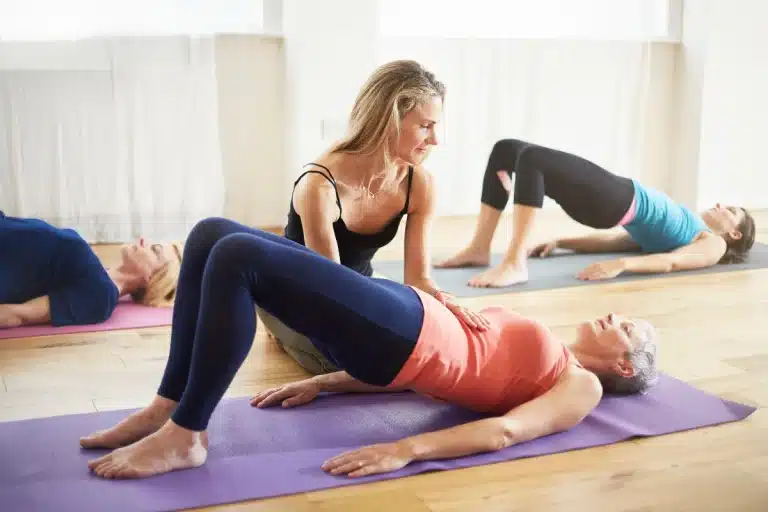
1️⃣ Lie on your back with knees bent.
2️⃣ Inhale deeply through your nose, feeling your ribs expand outward in all directions.
3️⃣ Exhale through pursed lips, gently drawing your core in without sucking in or bearing down.
4️⃣ Repeat for 5-10 breaths before any core exercise.
👉 Mastering your breath = mastering your core.
Stop Bearing Down! Why Some Core Exercises Do More Harm Than Good
A lot of people unknowingly push pressure downward instead of engaging their deep core.
Here’s how to tell if you’re bearing down (which can lead to pelvic floor dysfunction):
✅ Watch your belly during exercise. Does it bulge out when you exhale or contract?
✅ Check your lower abs. Are they pushing forward instead of wrapping inward?
✅ Assess your pelvic floor. Do you feel heaviness, leaking, or pressure after certain movements?
👉 If you answered yes to any of these, you need to retrain your deep core & pelvic floor activation!
📌 That’s exactly what my Deep Core & Pelvic Floor Workout Guide teaches you step by step.
Fixing Your Core Pressure for Strength and Stability
Now that you know how core pressure works, let’s go over a simple way to fix it.
The right core exercises will:
- Strengthen your deep core & pelvic floor
- Improve your posture and breathing mechanics
- Prevent lower back pain, diastasis recti, & pelvic floor dysfunction
Best Core Exercises to Fix Your Intra-Abdominal Pressure
✅ Diaphragmatic Breathing (360 Breathing)
✅ Pelvic Tilts (activates deep core without over-bracing)
✅ Dead Bug Progression (safe for core & pelvic floor)
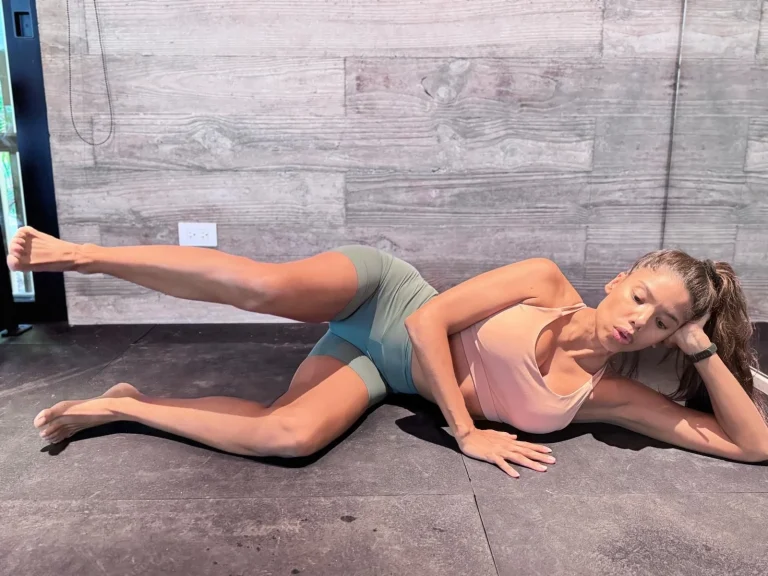
✅ Modified Side Planks (avoid overloading the rectus abdominis)
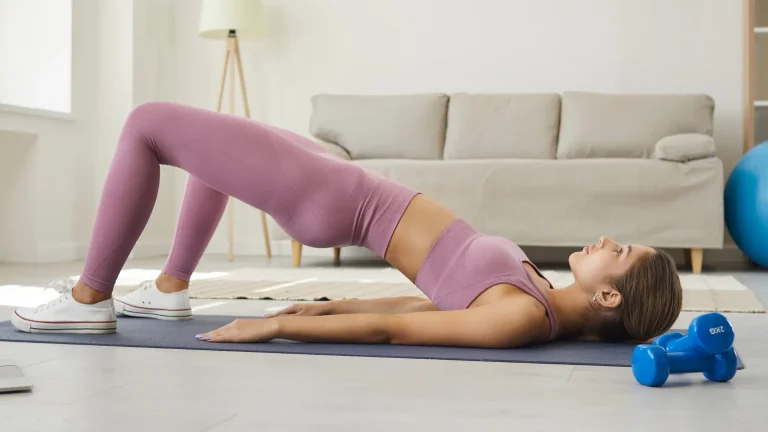
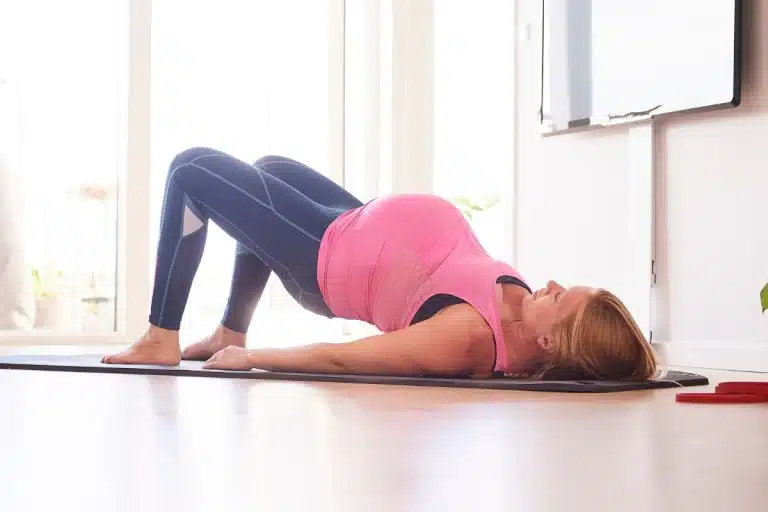
✅ Glute Bridges with Core Activation
💡 Avoid common mistakes like sucking in your belly, holding your breath, or over-squeezing your abs.
📌 Get my full Deep Core & Pelvic Floor Workout Guide for a structured program that teaches you exactly how to retrain your core properly!
Final Thoughts: Strong Core, No More Pressure Problems!
Your deep core is more than just abs—it’s about how you manage pressure inside your body.
By fixing your breathing patterns, core activation, and posture, you can build true strength and prevent pelvic floor dysfunction.