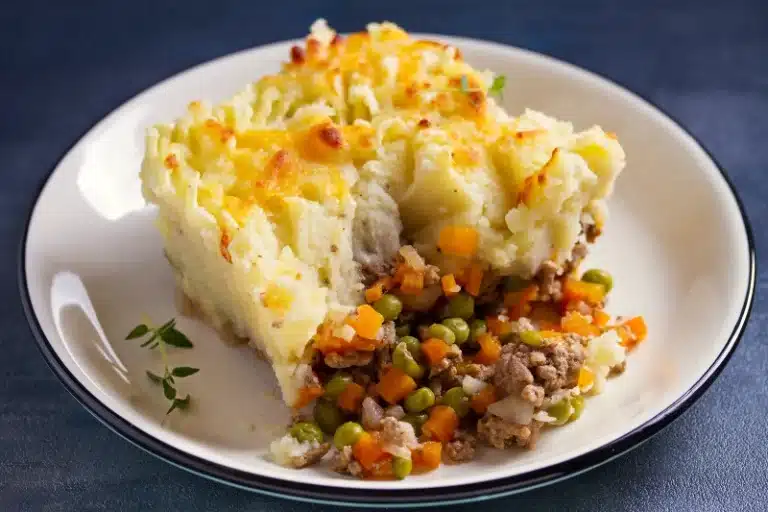
Top Healthy Breakfast Casserole Ideas for Busy Mornings
I get it — mornings are chaotic. I teach women how to simplify food and fitness, and this is one trick I use all the time. A make-ahead casserole can be mixed the night before and baked in the morning. It fits a 9×13-inch dish so you can slice and serve fast.
By “healthy” I mean protein-forward and veggie-loaded. Think filling, not sad or skinny. One pan covers several meals, so you skip decision fatigue at 6 a.m.
I’ll show a base formula you can mix and match — swap veggies, cheese, or protein depending on what’s in your fridge. This structure works for weekday meal prep and for hosting a relaxed, no-fuss morning.
You’ll get clear oven steps, timing, and storage tips so the plan actually happens — not just gets pinned. Each idea aims for balanced macros: protein + fiber + smart carbs to keep you full until lunch.
Why breakfast casserole is a healthy, time-saving breakfast option
I rely on a trusty 9×13 egg dish to turn hectic mornings into manageable, protein-rich ones. It’s simple: you bake once, slice later, and stop skipping the most important meal of the day.
Great for feeding a crowd without last-minute stress
One pan, minimal fuss
A single breakfast casserole can serve 6–12 people (depending on sides). You’re not flipping eggs while guests hover. That calm matters when you want to host without the kitchen chaos.
Meal-prep friendly slices that reheat fast on weekdays
Cut into even slices, stack in containers, and reheat in the microwave for 60–90 seconds. That saves so much time on school mornings or early work days.
Balanced macros with eggs, veggies, and protein-forward add-ins
Eggs + veggies + a lean protein (think turkey sausage or beans) makes a filling, steady-energy meal. You control portions, cheese, and starches so the pan matches your goals.
“Bake once; eat well all week.” — a small rule that changes busy mornings.
- Perfect if postpartum hunger or early workouts demand quick protein.
- Customize for kids or spice-lovers — same base, different toppings.
- Leftovers keep well in the fridge for several days.
Key ingredients for a healthier casserole dish
A strong base sets the tone: eggs plus the right mix-ins make the whole dish sing. I teach clients a simple formula so you can freestyle without second-guessing.
Eggs and a lighter egg mixture for fluffy texture
Start with whisked eggs and a splash of milk or a few tablespoons of cottage cheese. This keeps the egg mixture light and gives a fluffy texture, not rubbery slices.
Keep the mix simple: eggs + dairy (or non-dairy) + salt + pepper. Want more protein? Add a cup of cottage cheese into the blend.
Veggies that add flavor, color, and fiber
Volume matters—spinach, bell peppers, onions, and mushrooms fill the pan without extra calories. Sauté those vegetables first to reduce moisture.
That step stops a watery bake. It’s boring, but it works.
Cheese choices that satisfy without weighing it down
Pick sharp cheddar for bold flavor or part-skim mozzarella for a lighter melt. Use cheese sparingly—big flavor, small amount.
Smart starch bases: potatoes, sweet potatoes, or hash browns
Roasted potatoes tossed with olive oil, salt, and pepper add heft. Sweet potatoes give sweetness and fiber. Hash browns speed prep but may need less oil.
“Nail the prep—saute, roast, then assemble—and the pan behaves.” — practical kitchen rule
| Component | Why it matters | Quick tip |
|---|---|---|
| Eggs / egg mixture | Binder and protein; creates fluff | Whisk with milk or cottage cheese for light texture |
| Vegetables / veggies | Fiber, color, volume | Sauté to remove extra moisture |
| Cheese | Satisfaction, mouthfeel | Use sharp flavor in small amounts |
| Starch (potato) | Hearty bite | Roast with olive oil, salt, and pepper for crisp edges |
Healthy Breakfast Casserole Ideas you can mix and match
You don’t need to commit to one flavor — pick a base, add a veg, a protein, and a cheese. I use this simple rule with clients when the fridge is a mess and time is tight.

Below are quick combos that let you swap ingredients without changing technique. Keep the same oven time; swap components to fit mood, season, or what’s on sale.
Roasted potato + veggie with cheddar
Use roasted potatoes as the base for a classic, crowd-pleasing dish. Add sautéed bell peppers and onions, then sprinkle sharp cheddar on top for melt and comfort.
High-protein cottage cheese egg bake

Stir cottage cheese into the eggs for a creamy, protein-forward recipe. Fold in spinach and red bell for color and fiber. This version can reach near 30g protein per serving, depending on portions.
Lean turkey sausage + vegetables + part-skim mozzarella
Swap in Jennie-O turkey sausage for a lean protein boost. Combine with zucchini, mushrooms, and part-skim mozzarella for a lighter, cozy dish that still feels like home.
Mushroom + greens for an earthy, savory flavor
When you’re over peppers, choose mushrooms and mixed greens. Sauté them well so the pan stays firm and the flavor concentrates.
Seasonal swaps & cheese toppers
Use broccoli or asparagus when they’re fresh. Top with pepper jack for heat or mixed cheese to use up half-bags — no waste, more flavor.
| Base | Veg combo | Protein | Cheese topper |
|---|---|---|---|
| Roasted potato | Bell pepper + onion | Eggs | Sharp cheddar |
| Sweet potato | Spinach + red bell | Cottage cheese + eggs | Part-skim mozzarella |
| Hash browns | Mushrooms + kale | Jennie-O turkey sausage | Pepper jack |
| Roasted zucchini | Broccoli or asparagus | Eggs + extra egg whites | Mixed cheese |
“Pick one base, one veg, one protein, and one cheese — repeat with confidence.”
How to make an easy breakfast casserole in the oven
I’ll walk you through a simple oven method so the pan feels foolproof, even on rushed mornings. Follow these steps in order and slicing will feel satisfying, not stressful.
Preheat oven and prep the baking dish: Preheat oven to 425°F to roast potatoes. Oil a 9×13 baking dish so slices release cleanly—no hacking is required later.
Roast potatoes for crisp edges
Cube potatoes about 1/4-inch, toss with olive oil, salt, and pepper. Spread on a sheet and roast at 425°F for 20–25 minutes until browned.
Sauté vegetables to reduce moisture
Heat a skillet over medium-high heat. Sauté onion 5–8 minutes until soft. Add bell peppers and garlic for ~2 minutes, then add spinach last to wilt. Less water = a firmer slice.
Assemble and bake
Whisk eggs with a splash of milk to make the egg mixture. Season well with salt.
Layer in the oiled baking dish: roasted potatoes first, then about two-thirds of the cheese, then the sautéed veggies. Pour in the egg mixture and finish with the remaining cheese on top.
Baking time and doneness cues
Reduce oven to 350°F and bake for 40–45 minutes. You’re looking for a set center with no jiggle and a lightly golden top. If unsure, insert a knife—if it comes out clean, it’s done.
“Bake until set, rest five minutes, then slice—clean edges, less stress.”
| Step | Temp | Minutes |
|---|---|---|
| Roast potatoes | 425°F | 20–25 minutes |
| Sauté veggies (onion → peppers/garlic → spinach) | Skillet, medium-high heat | 7–10 minutes total |
| Bake assembled pan | 350°F | 40–45 minutes (rest 5 minutes) |
Make-ahead tips for busy mornings and meal prep days
When mornings feel squeezed, a little night-before prep changes everything. I use a two-lane approach so you can pick the method that fits your schedule and energy.
Assemble the night before and bake fresh in the morning
Full assembly: Layer the ingredients, cover tightly, and refrigerate. In the morning you slide the pan into the oven and bake—fresh smell, minimal effort, and a real home-cooked meal.
Prep components ahead to cut morning cook time
Component prep: Roast potatoes and sauté veggies the day before. Store each in airtight containers so morning assembly takes minutes, not an hour.
Portioning into slices for grab-and-go breakfasts
Slice after the bake or slice once cooled and store individual portions for quick reheats. It saves time on hectic days and helps with consistent portions.
- Two-lane strategy: full assemble vs. component prep—choose what fits your time and mood.
- Fewer decisions in the morning = better consistency (huge if you’re rebuilding routines postpartum).
- This is also a hosting hack—enjoy coffee with guests instead of standing at the stove.
- Pair a slice with fruit or toast if you want extra carbs; the pan is already a solid meal base.
“Prep once and you win several mornings—trust the system.”
| Make-ahead option | What to do | Best for |
|---|---|---|
| Night-before assembly | Layer all ingredients, cover, refrigerate; bake in the morning | Very busy mornings; minimal morning steps |
| Component prep | Roast potatoes and sauté veggies ahead; assemble and bake next day | Mid-week flexibility; faster morning assembly |
| Pre-bake and slice | Bake fully, cool, slice into portions; refrigerate or freeze | Grab-and-go breakfasts across multiple days |
Storing, freezing, and reheating casserole slices
I’m all about systems that save you minutes and stress. Follow a few simple storage rules and the dish will still taste great on day three.
Fridge method: Let the bake cool completely. Pack slices in an airtight container and refrigerate. Aim to eat within 3–4 days for best texture—eggs stay tender and cheese stays pleasant, not rubbery.
Freezer-friendly method for individual portions
Wrap single slices tightly in plastic and foil, or use a snug airtight container. Label with the date and freeze up to 3 months.
Thaw overnight in the fridge so reheating is faster and even. This step prevents a soggy center and keeps the top from drying out.
Reheat in the microwave vs. oven
Microwave is perfect when you need speed: heat one slice for about 2–3 minutes until steaming hot. It’s great for work mornings.
For better texture, reheat a larger portion or the whole dish in a 350°F oven for ~20–30 minutes, covered. Uncover in the last 5 minutes if you want the cheese to perk up.
Food safety note: Heat to steaming hot—aim for 165°F internal temperature for larger portions. That keeps everyone safe and satisfied.
| Method | Storage time | Reheat | Texture tip |
|---|---|---|---|
| Refrigerator | 3–4 days | Microwave 2–3 minutes / oven 20–30 minutes (covered) | Cool before sealing to avoid soggy egg; reheat until steaming |
| Freezer (individual) | Up to 3 months | Thaw overnight; microwave or oven as above | Wrap tightly to prevent freezer burn; thaw in fridge for even reheating |
| Whole pre-baked | 3–4 days refrigerated, or freeze 2–3 months | Oven 350°F ~25–30 minutes; microwave for single slices | Cover in oven to avoid drying; uncover at end for cheese browning |
Conclusion
Choose one go-to pan that removes decision fatigue and you’ve already won the morning.
I promise — you don’t need perfect. Start with the base: optional starch + sautéed veggies + eggs + cheese + a protein add-in. That formula scales and travels well through the week.
One make-ahead casserole can serve several mornings and cut mental load. A single slice gives a solid, protein-forward breakfast and frees up weekday time.
Pick one variation (cheddar + roasted potatoes, cottage cheese version, or turkey sausage + mozzarella) and try it this week. Swap vegetables and cheese to fit your family and taste.
Consistency beats intensity — feed yourself reliably, and mornings get easier.
Breakfast Casserole FAQs
How do I keep the egg mixture light and fluffy?
Whisk eggs with a splash of milk or cottage cheese and a pinch of salt. Don’t overbeat — just enough air to make it tender. I aim for a gentle fold when adding vegetables so the texture stays pillowy, not rubbery.
Which vegetables hold up best without making the dish watery?
Roast or sauté high-moisture veggies first: mushrooms, spinach, and bell peppers lose water that way. I like to drain spinach and cook mushrooms until golden. That keeps the casserole firm and prevents a soggy center.
What cheese choices give flavor without feeling heavy?
Use part-skim mozzarella, sharp cheddar in moderation, or a bit of pepper jack for heat. Cottage cheese also boosts creaminess and protein without clogging the texture. A little goes a long way — sprinkle, don’t drown.
Can I swap potatoes for a lower-carb option?
Absolutely. Swap in cauliflower florets, riced cauliflower, or extra greens to reduce starch. Sweet potatoes or roasted butternut squash are fine if you want a nutrient-dense starch with more fiber.
What’s the best way to assemble to get neat slices?
Press layers gently into a greased baking dish: starch on bottom, veggies and cheese next, then pour the egg mixture slowly. Let it rest 5–10 minutes after baking before slicing — that helps the pieces hold together cleanly.
How long should I roast potatoes for crispy edges?
Toss cubed potatoes with olive oil, salt, and pepper, then roast at 425°F for about 25–30 minutes until golden. I flip them once for even browning. Crispy edges keep the casserole from getting mushy.
What are smart make-ahead and meal-prep strategies?
Assemble the casserole in its dish and refrigerate overnight, or bake, slice, and store portions. Prep components — roasted potatoes, sautéed veggies, shredded cheese — so mornings require only assembly or reheating.
How long does a baked Breakfast casserole keep in the fridge?
Stored in an airtight container, slices stay good for 3–4 days. I reheat one portion at a time to keep the rest fresh. If it smells off or the texture changes drastically, toss it.
Can I freeze individual portions, and how do I reheat them?
Yes — wrap slices tightly in plastic and foil or use freezer-safe containers. Reheat from frozen in a 350°F oven for 20–30 minutes or microwave on medium power in short bursts. For best texture, thaw in the fridge overnight and crisp in the oven.
What protein options work well besides sausage?
Lean turkey sausage, diced ham, smoked salmon, or extra cottage cheese are great picks. Beans or crumbled tempeh work for plant-focused versions. I choose whatever gives a satisfying lift without overwhelming the veggies.
Any tips for seasoning so the flavor pops without extra calories?
Use herbs and aromatics: fresh parsley, chives, thyme, and sautéed garlic and onion add big flavor. A sprinkle of smoked paprika or a little pepper jack delivers punch without needing extra fat.
How do I know when the Breakfast casserole is done?
The top should be golden and slightly puffed; the center should set with no jiggle. A toothpick in the center comes out mostly clean. If it’s still liquidy, give it 5–10 more minutes at 350°F and check again.
Can I make a vegetarian version that’s still filling?
Yes — load it with roasted root vegetables, mushrooms, spinach, and add cottage cheese or crumbled tofu for protein. Toss in quinoa or cooked lentils if you want more staying power.
Any tips for keeping the center from being undercooked while the top browns?
Bake at a moderate temperature (around 350°F) and tent loosely with foil if the top browns too fast. You can also bake longer at a slightly lower temp to let the center set without burning the surface.