Top 10 Deep Core and Pelvic Floor Exercises for Strength and Stability
The secret to sculpting a flat stomach isn’t just about doing endless crunches—it’s about training your deep core and pelvic floor muscles while maintaining good posture. Your core isn’t just your abs; it’s a whole system that includes your diaphragm, ribcage, hip flexors, and psoas muscles.
If your posture is off—like if you slouch or flare your ribs forward—your diaphragm can’t function properly. This throws off your breathing, making it harder to activate your deep core and pelvic floor muscles, which are essential for a toned, stable midsection. Plus, when your diaphragm isn’t working well, it creates tension in your hip flexors and psoas, which can lead to hip pain, lower back pain and poor core engagement.


Benefits of Strengthening Your Deep Core and Pelvic Floor
Think of your body as one connected system—when you stand tall with your ribs stacked over your pelvis, your diaphragm and deep core can work together efficiently. This means better breathing, stronger core activation, and less strain on your lower back and hips.
Deep Core Ab Exercises like deep breathing, TVA (transverse abdominis) engagement, and controlled pelvic tilts help train your core from the inside out. So if you want a flatter stomach, focus on posture, breathwork, and deep core activation, not just ab exercises. When you train your core properly, your whole body benefits!
- Deep core and pelvic floor training isn’t just about looks—it improves posture, reduces lower back pain, and supports your spine like a natural corset, lowering the risk of injury.
2. A strong core also boosts athletic performance by improving stability and power. Moves like the Marching Bridge strengthen the pelvic floor while targeting the hips and glutes, enhancing overall control and balance.
3. When you combine deep core activation with pelvic floor engagement, your whole body moves more efficiently. This not only makes daily activities easier but also helps prevent pelvic floor issues like prolapse. Adding these exercises to your routine keeps your body strong, stable, and functioning at its best.
Related post Pilates and Strength Training: A Powerful Combination for Fitness and Health.
1. Dead Bug
The Dead Bug exercise is an excellent choice for beginners and postpartum women looking to safely rebuild core strength and stability. It engages the deep core muscles, including the transverse abdominis and pelvic floor, without putting excessive pressure on the spine or abdomen. By promoting proper core activation and coordination, it helps improve posture, reduce lower back strain, and restore functional strength needed for daily movements.

2. Bird Dog
The Bird Dog exercise is a great choice for beginners and postpartum women looking to safely rebuild core strength and stability. This movement engages the deep core muscles, including the transverse abdominis and pelvic floor, while also strengthening the lower back, glutes, and shoulders. By challenging balance and coordination, Bird Dog helps improve core control, posture, and spinal stability without putting excessive pressure on the abdomen. It also encourages proper pelvic alignment, reducing strain on the lower back and promoting better movement patterns for everyday activities.

3. Glute Bridges For Beginners
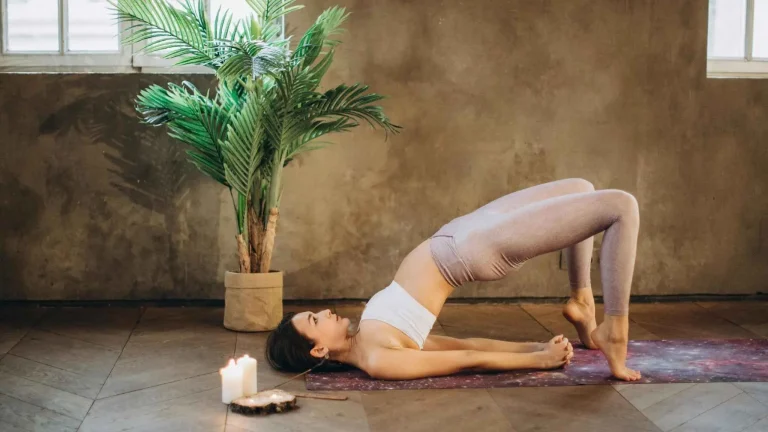
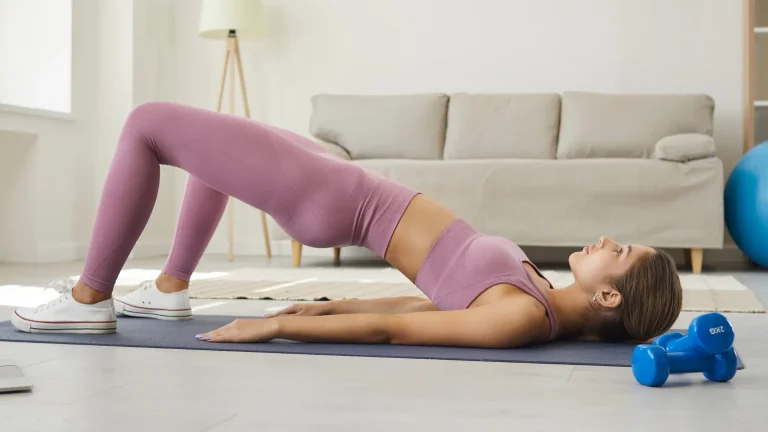
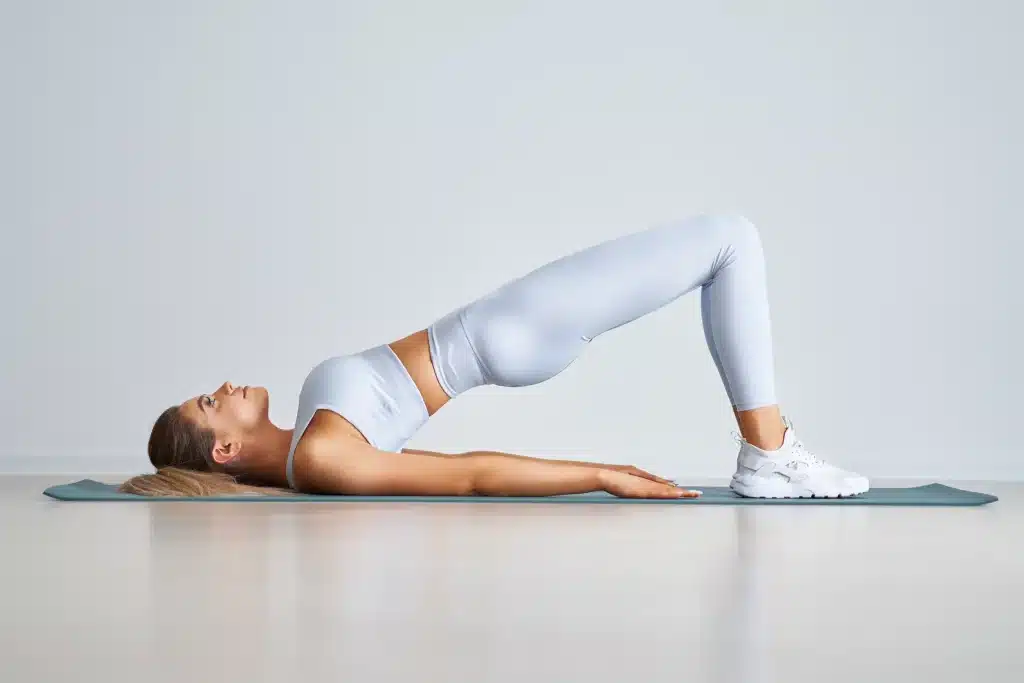
The Glute Bridge is a great beginner-friendly exercise that strengthens the glutes, core, and pelvic floor while improving hip stability. It encourages proper pelvic alignment, which helps prevent tightness and imbalances that can affect posture and movement. By activating the glutes and deep core muscles, this exercise supports a strong, stable foundation, reducing strain on the lower back and promoting better pelvic floor function. It’s a simple yet effective way to build strength and mobility, making it an excellent starting point for anyone looking to improve their core and hip health.
4. Hip & Glute Stretches
Hip and glute stretches are safe and beneficial for everyone, especially when it comes to pelvic floor health. Good hip mobility allows the pelvic floor muscles to function properly, preventing tightness and imbalance that can lead to discomfort or dysfunction. When the hips are restricted, the pelvic floor can become overactive or weak, affecting posture, stability, and even core strength. Regular stretching helps release tension, improve circulation, and support a well-balanced, healthy pelvic floor.
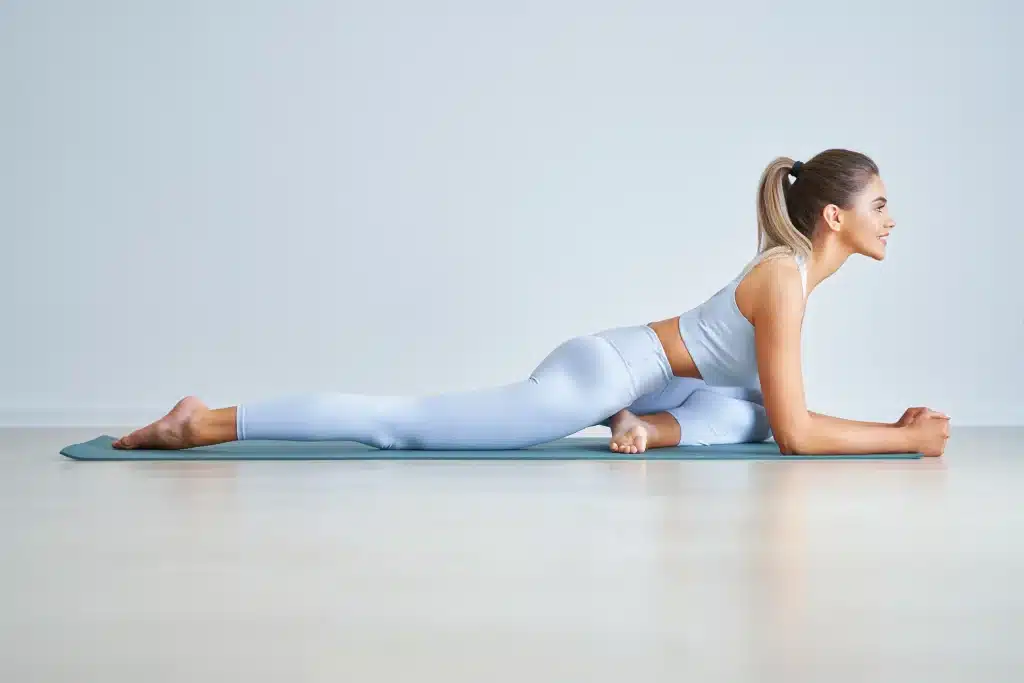
5. Glute Marching Bridge
The Glute Marching Bridge is a fantastic exercise for strengthening the glutes, deep core, and pelvic floor while improving hip stability. This movement encourages proper pelvic alignment and control, which is essential for a balanced and well-functioning pelvic floor. When the hips are strong and mobile, the pelvic floor muscles can activate more efficiently, reducing the risk of tightness, weakness, or imbalances. The alternating leg lift in the march also challenges core stability, helping to build strength in a way that supports better posture, movement, and overall pelvic health.

6. Advanced Side Planks
The Advanced Side Plank on Hand is a powerful exercise for building core strength, hip stability, and pelvic floor function. This move challenges balance and deep core engagement, helping to strengthen the obliques, shoulders, and glutes while promoting proper hip alignment. Strong, stable hips are essential for pelvic floor health, as tightness or weakness can lead to imbalances and dysfunction. By maintaining control in this position, you enhance overall stability, improve posture, and support a well-functioning core and pelvic floor.
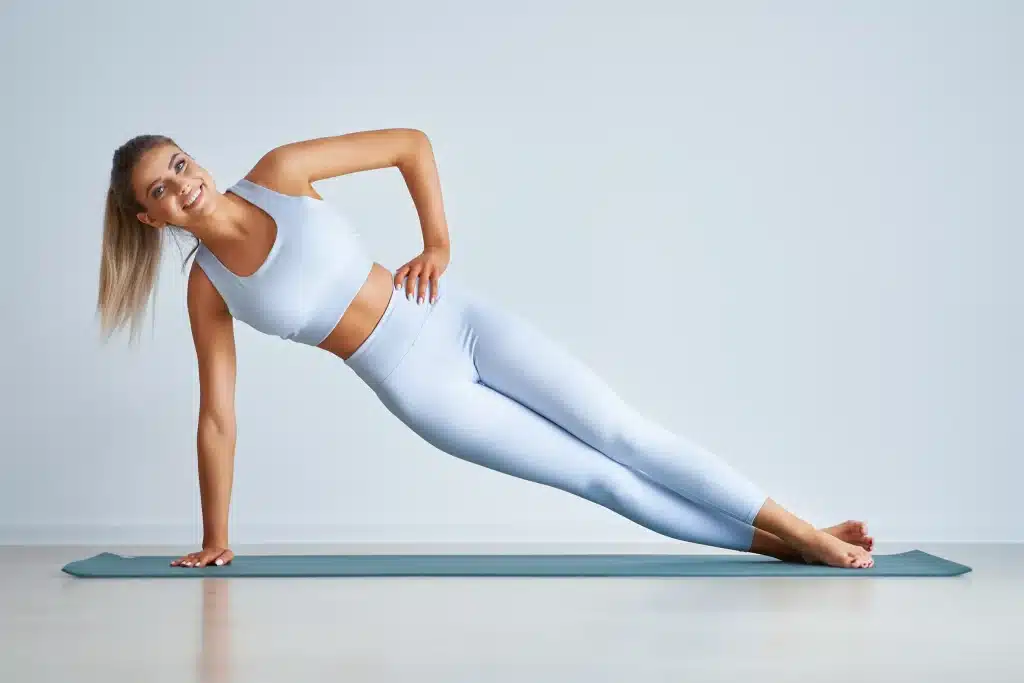
7. Pilates Side Kick Series
The Kneeling Pilates Sidekick Series is an excellent exercise for strengthening the hips, glutes, and core while improving pelvic floor function. Strong, mobile hips are essential for a balanced pelvic floor, as tight or weak muscles can create imbalances that lead to discomfort or instability. This series targets the outer hips and glutes while engaging the deep core, helping to improve posture, balance, and overall movement control. By incorporating this exercise into your routine, you can enhance hip mobility, support pelvic floor health, and build functional strength for everyday activities.
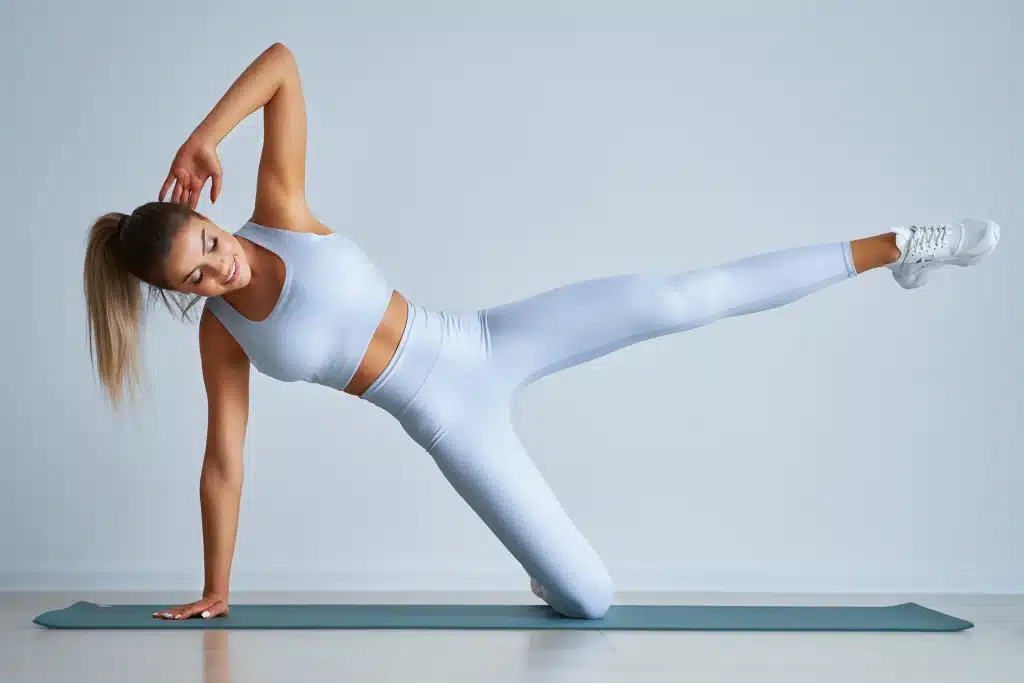
8. Fire Hydrant
The Fire Hydrant exercise is a great way to strengthen the hips, glutes, and core while supporting pelvic floor health. Strong, mobile hips are essential for proper pelvic floor function, as tight or weak hip muscles can create imbalances that lead to discomfort or dysfunction. This movement helps activate the deep core and glutes, improving stability, posture, and overall lower body strength. By incorporating Fire Hydrants into your routine, you can enhance hip mobility, reduce strain on the lower back, and promote better pelvic floor support.

9. Elevated Forearm Plank
The Elevated Forearm Plank is a safe and effective core exercise for all fitness levels, offering excellent support for pelvic floor health. By engaging the deep core muscles without excessive pressure, it helps build strength and stability while reducing strain on the lower back and hips. Proper hip alignment in this position encourages better pelvic floor activation, preventing tightness or weakness that can lead to imbalances. This modified plank variation also improves posture, core endurance, and overall functional strength, making it a great addition to any routine.

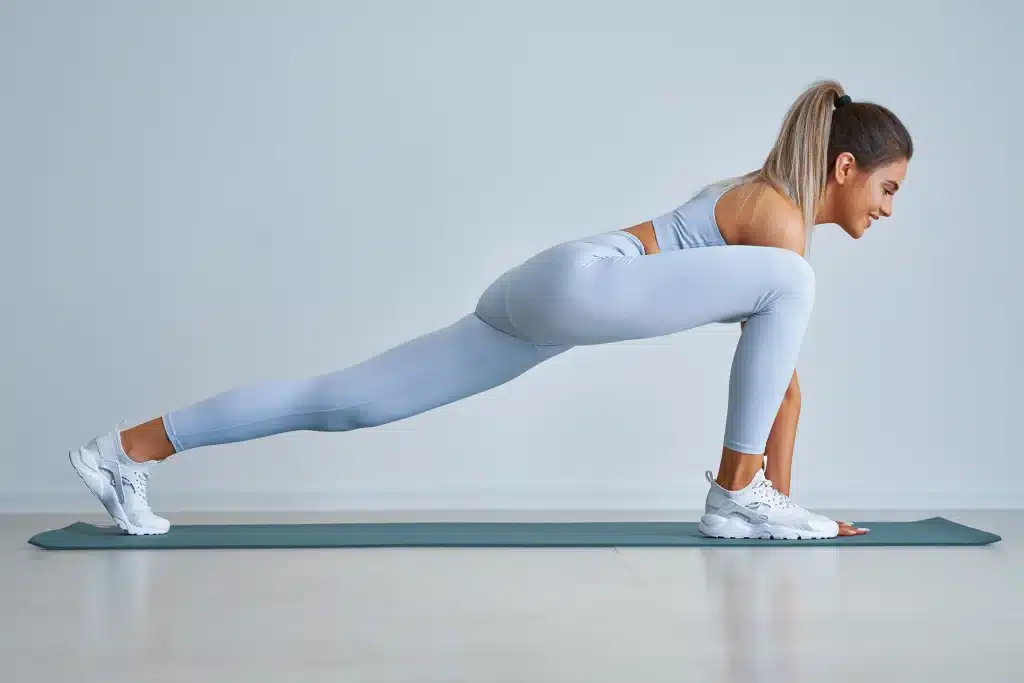
10. Runners Lunge
The Runner’s Lunge is a safe and effective stretch for everyone, especially for improving hip mobility and supporting pelvic floor health. Flexible, mobile hips allow the pelvic floor muscles to function properly, preventing tightness and imbalances that can lead to discomfort or dysfunction. When the hips are tight, the pelvic floor can become overactive or weak, affecting posture, stability, and core strength. The Runner’s Lunge helps release tension, improve circulation, and enhance overall mobility, making it a great addition to any routine for better movement and pelvic floor support.
Who Should Do Core and Pelvic Floor Exercises?
Core and pelvic floor exercises are beneficial for anyone looking to improve their core stability, posture, and overall health. However, certain individuals may need to modify or avoid specific exercises due to underlying medical conditions or concerns. Here are some groups that should take special considerations:
- Pregnant Women: Pregnancy places additional stress on the pelvic floor muscles. It’s essential for pregnant women to consult with a healthcare professional or physical therapist to discuss safe exercises and necessary modifications. Certain exercises may need to be avoided or adjusted to ensure the safety of both the mother and the baby.
- Individuals with Pelvic Organ Prolapse: Pelvic organ prolapse occurs when the pelvic organs drop from their normal position due to weakened pelvic floor muscles. Individuals with this condition should avoid exercises that put excessive pressure on the pelvic floor, such as heavy lifting or high-impact activities. Consulting with a physical therapist can help identify safe and effective exercises.
- Individuals with Pelvic Pain: Pelvic pain can be a sign of underlying issues that need to be addressed. If you experience pelvic pain, it’s crucial to consult with a healthcare professional or physical therapist to discuss safe exercises and modifications. They can provide guidance on exercises that won’t exacerbate the pain and help improve pelvic floor function.
By being aware of these special considerations and taking the necessary precautions, you can safely and effectively incorporate core and pelvic floor exercises into your fitness routine. Always listen to your body and seek professional advice when needed to ensure optimal results and overall well-being.
Preparing for Core and Pelvic Floor Exercises
Before diving into your core and pelvic floor exercise routine, it’s crucial to prepare both your body and mind. Proper preparation ensures you get the most out of your workouts while minimizing the risk of injury. Here are some essential tips to help you get started:
- Consult with a Healthcare Professional: Before starting any new exercise routine, especially if you have underlying medical conditions or concerns, it’s wise to consult with a healthcare professional or a physical therapist. They can provide personalized advice and ensure you’re on the right track.
- Warm Up: Begin with light cardio and stretching exercises to increase blood flow and flexibility. A good warm-up prepares your muscles and joints for the workout ahead, reducing the risk of strains and injuries.
- Engage Your Core Muscles: As you prepare for your exercises, focus on engaging your core muscles. Draw your belly button towards your spine and maintain good posture. This engagement helps stabilize your body and enhances the effectiveness of your workout.
- Practice Deep Breathing: Deep breathing exercises are essential for relaxing and focusing your mind. Inhale deeply through your nose, allowing your diaphragm to expand, and exhale slowly through your mouth. This practice not only calms your mind but also helps in engaging your core muscles.
- Start Gently: If you’re new to core and pelvic floor exercises, start with gentle movements and gradually progress to more challenging ones as your muscles strengthen. This approach allows your body to adapt and build strength over time.
Tips for Maximizing Deep Core & Pelvic Floor Exercises
To get the most out of your core exercises, it’s essential to focus on proper form and technique. Here are some tips to help you maximize the effectiveness of your workouts:
- Prioritize Proper Form: Proper form is crucial to avoid injury and ensure effective muscle engagement. Pay attention to your body’s alignment and movements during each exercise. If you’re unsure about your form, consider working with a physical therapist or fitness professional.
- Engage Your Core Muscles: Throughout each exercise, make a conscious effort to engage your core muscles. Draw your belly button towards your spine and maintain this engagement to stabilize your body and enhance the effectiveness of your workout.
- Use Slow and Controlled Movements: Performing exercises with slow and controlled movements helps target the deep core muscles more effectively. Avoid rushing through your workouts; instead, focus on deliberate and precise movements.
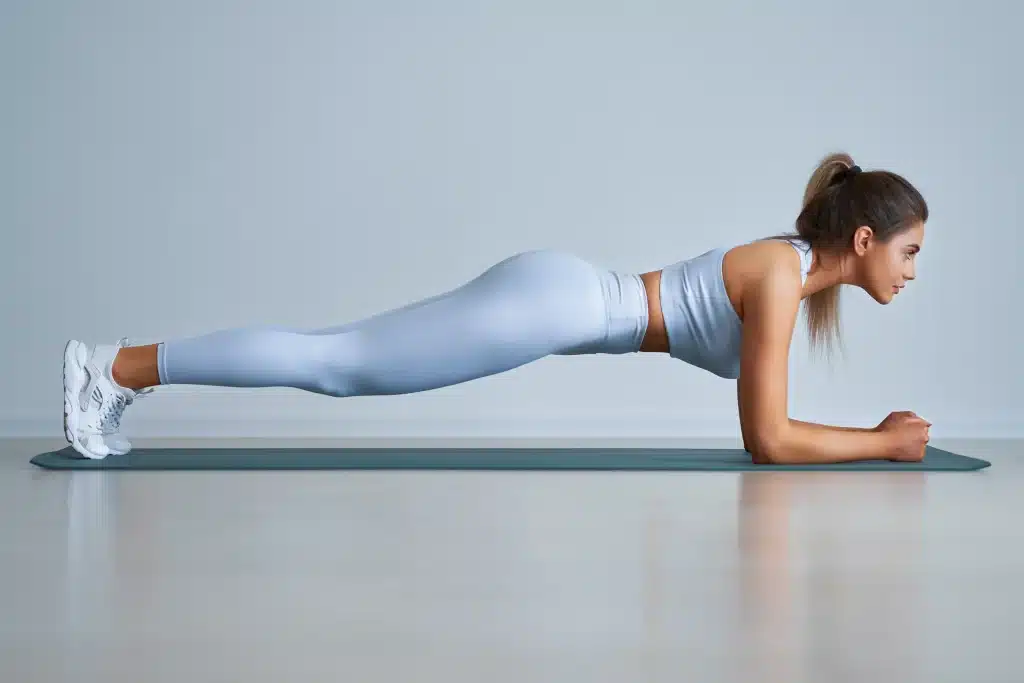
- Target the Transverse Abdominis: Incorporate exercises that specifically target the transverse abdominis muscle, such as planks and bird dogs. This deep core muscle plays a vital role in stabilizing your spine and improving overall core strength.
- Practice Regularly: Consistency is key to seeing progress and improvement. Aim to practice your core exercises regularly, gradually increasing the intensity and duration as your strength builds.
By following these tips, you’ll enhance the effectiveness of your core exercises, leading to better stability, strength, and overall fitness.
Deep Core & Pelvic Floor Exercise Tips
Maximize the effectiveness of your core and pelvic floor exercises by focusing on breath control. Proper breathing optimizes performance and enhances muscle engagement during deep core exercises. During the Hollow Body Hold, ensure your lower back remains pressed into the floor to maintain proper form.
Monitor for any pelvic pain during exercises, as it may indicate incorrect technique or underlying issues. Engaging the pelvic floor before exercises like the Marching Bridge enhances effectiveness and provides better stability. Gradually increasing the intensity of pelvic floor exercises allows for proper recovery and prevents overstraining.
Incorporating variations in exercises like Side Planks can accommodate different fitness levels and reduce strain. Modifying exercises by dropping to the knees can still effectively work the core and pelvic muscles while minimizing discomfort.
Frequently Asked Questions
Q: How long does it take to see results from Kegel exercises?
Kegels are not the end-all, be-all when it comes to deep core strength. While they can help strengthen the pelvic floor, true core stability requires a holistic approach. Proper breathing, posture, and balanced hip muscles all play a major role in how well your pelvic floor functions. If your hips are tight or weak, or if your posture is misaligned, your pelvic floor muscles may not activate properly—even if you’re doing Kegels daily.
Instead of focusing only on Kegels, incorporate diaphragmatic breathing, deep core activation, and hip mobility work to create a strong, well-functioning core. This approach not only improves pelvic floor strength but also enhances posture, stability, and overall movement efficiency.
Q: Can I perform deep core exercises every day?
Yes, you can perform deep core exercises daily, but ensure you allow for proper recovery and gradually increase intensity to prevent overstraining.
Q: What should I do if I feel pain during core exercises?
If you feel pain during core exercises, it’s crucial to stop and evaluate your technique, as it may signal an underlying issue. Consulting a physical therapist can provide you with the necessary guidance to ensure proper form and avoid injury.
Q: How do I know if my pelvic floor muscles are weak?
You may have weak pelvic floor muscles if you experience urine leakage during activities like sneezing, laughing, or coughing, as well as signs of pelvic organ prolapse. It’s important to consult a healthcare professional for a thorough evaluation if you notice these symptoms.
Q: Are there any modifications for Side Planks if they are too difficult?
If traditional Side Planks are too challenging, try bending your knees and lifting from your elbow and knee, which will decrease strain while still effectively engaging your core. This modification allows you to build strength gradually.
Q: Should I Consult a Pelvic Floor Physical Therapist?
Understanding when to seek professional help for pelvic floor or core-related issues is important. Weakened pelvic floor muscles can lead to conditions like stress incontinence and pelvic organ prolapse, requiring a physical therapist’s intervention. If you experience persistent pain during deep core exercises or have trouble targeting the right muscles, consult a pelvic floor physical therapist.
A physical therapist can provide an individualized exercise plan to address specific concerns and enhance pelvic floor and core strength. Regular physical therapy can alleviate urinary incontinence, improve bladder control, and enhance sexual function, helping to manage pelvic floor symptoms. The initial appointment usually involves health questionnaires and a detailed evaluation of your symptoms.