Deep Core and Pelvic Floor Activation: The Real Secret to a Strong Core
Are you struggling with a lower belly pooch, back pain, or weak pelvic floor symptoms like leaking when you sneeze? Then your deep core and pelvic floor muscles might be the missing link. These muscles do more than give you toned abs—they support your spine, improve posture, and help prevent pain and injury.
Many women, especially after pregnancy or years of sitting at a desk, develop weak core and tight hips. This can lead to tightness and pain throughout the body and even pelvic floor dysfunction. But don’t worry—simple pelvic floor exercises and the right deep core workout can help you regain strength and control.
Quick Test: Is Your Core Weak?
Before diving into exercises, let’s do a quick self-check.
- Stand tall and take a deep breath in. Does your belly rise, or does your rib cage expand?
- Lie down and lift one leg at a time. Does your lower back arch off the floor?
- Try a deep cough. Do you feel pressure in your lower abdomen or pelvic floor?
If you noticed belly movement more than rib expansion, lower back arching, or pressure in your pelvic floor—your deep core muscles need activation.
The Real Problem: Shallow Breathing & Poor Posture
Most of us breathe from our chest instead of our diaphragm, which leads to a cycle of weak core engagement and poor posture.
The Connection Between Your Breath, Core, and Posture
- Mouth breathing & forward head posture → tight neck, weak deep core
- Poor rib cage mobility → lower belly pooch & abdominal tension
- Tight hip flexors → back pain and poor core stability
By improving your breathing and posture, you create a foundation for a strong, functional core.
Step-by-Step: How to Activate Your Deep Core
Follow this 3-step deep core and pelvic floor activation method to start strengthening your core today.
1. Master 360-Degree Breathing (Diaphragmatic Breathing)
Most people breathe into their upper chest, but your deep core thrives on 360-degree breathing—expanding your ribs, not just your belly.
Try This:
- Sit or lie on your back with one hand on your ribs and one on your lower belly.
- Inhale deeply through your nose, expanding your ribs outward (not just pushing your belly up!).
- Exhale fully, feeling your rib cage contract as your belly draws in slightly.
2. Activate the Transverse Abdominis (Your Deepest Core Muscle)
The transverse abdominis acts like a corset, wrapping around your waist to provide stability.
Exercise: Core Bracing
- Take a deep breath in, expanding your ribs.
- As you exhale, gently pull your belly button toward your spine, like you’re zipping up a tight pair of jeans.
- Hold for a few seconds, then relax.
- Repeat 8–10 times.
3. Strengthen Your Pelvic Floor (More Than Just Kegels!)
Kegels are helpful, but they’re not enough for pelvic floor health. Many women actually have an overactive pelvic floor, meaning they need to focus on relaxation before strengthening.
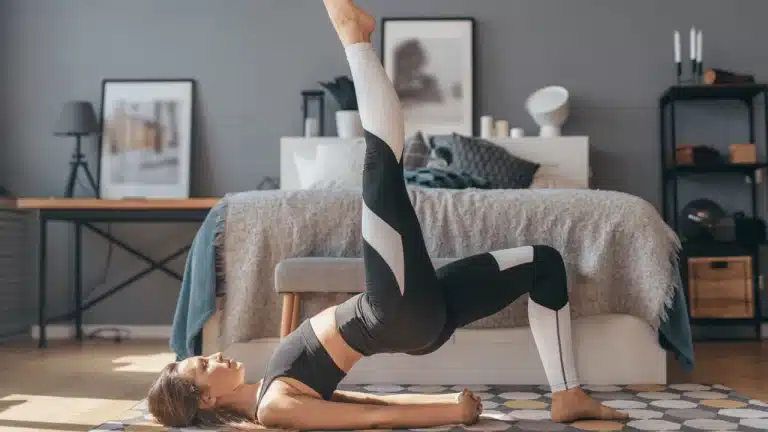
Exercise: Bridge with Pelvic Floor Activation
- Lie on your back with your knees bent and feet flat.
- Inhale deeply into your ribs.
- As you exhale, engage your deep core and gently lift your pelvic floor (like stopping urine flow).
- Slowly lift your hips, squeezing your glutes.
- Lower down and repeat 10–12 times.
Real Results: How This Can Change Your Daily Life
When you strengthen your deep core muscles, you’ll notice:
- Less back and hip pain
- Improved posture
- A flatter, more toned stomach
- More confidence in movement—whether lifting kids or doing Pilates
If you’re a busy woman who wants real results without complicated workouts, my Deep Core & Pelvic Floor Workout Guide gives you everything you need to strengthen these muscles in just a few minutes a day!
Small Changes, Big Results
Your deep core and pelvic floor aren’t just about fitness—they support your everyday movement, protect your spine, and improve posture. By focusing on proper breathing, core activation, and pelvic floor exercises, you’ll build a stronger, healthier body.