8-Week Pelvic Floor Makeover For New Moms
Struggling with a weak pelvic floor? You’re not alone. Many women silently deal with leaks, low back pain, and core weakness, not realizing that a pelvic floor makeover is possible — and it doesn’t require fancy equipment or surgery. Just like any other muscle, your pelvic floor can be strengthened with the right exercises and consistency.
If you’ve ever wondered “How do I strengthen my pelvic floor — and am I doing it right?” you’re in the right place.
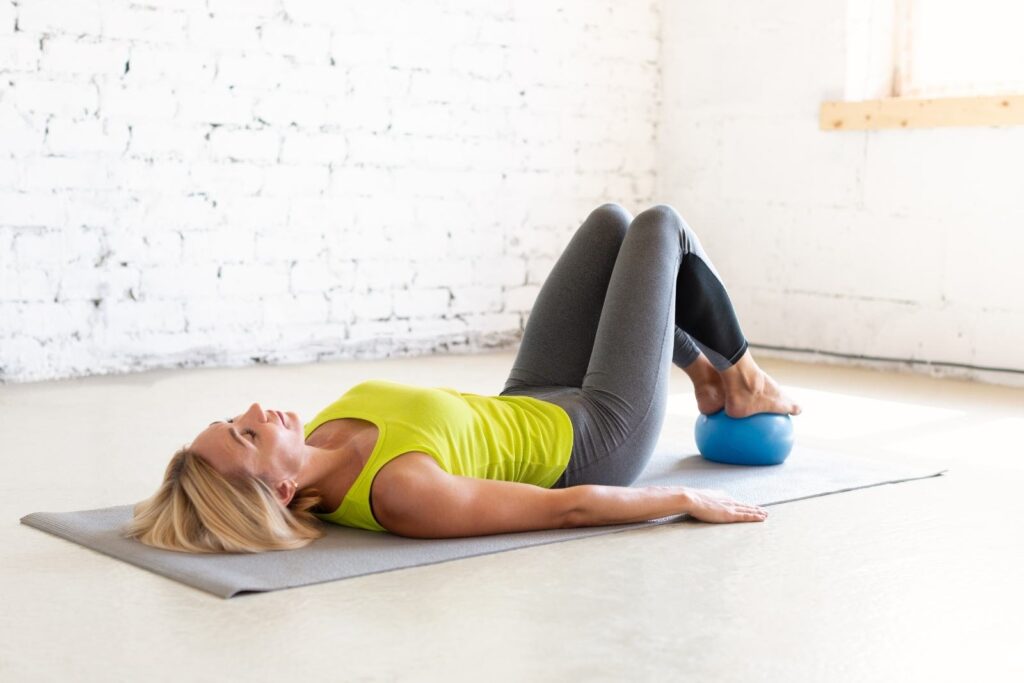
As a certified Pilates teacher with over 12 years of experience, I’ve helped hundreds of women rebuild their deep core and pelvic floor safely and effectively using Pilates. In this guide, you’ll learn:
- Why pelvic floor strength matters (especially postpartum)
- How your deep core and pelvic floor work together
- What exercises actually help — and what to avoid
- A step-by-step 8-week plan to get started
Let’s begin your pelvic floor makeover — and get you feeling strong, supported, and confident again.
Why Strengthening Your Pelvic Floor Is Important?
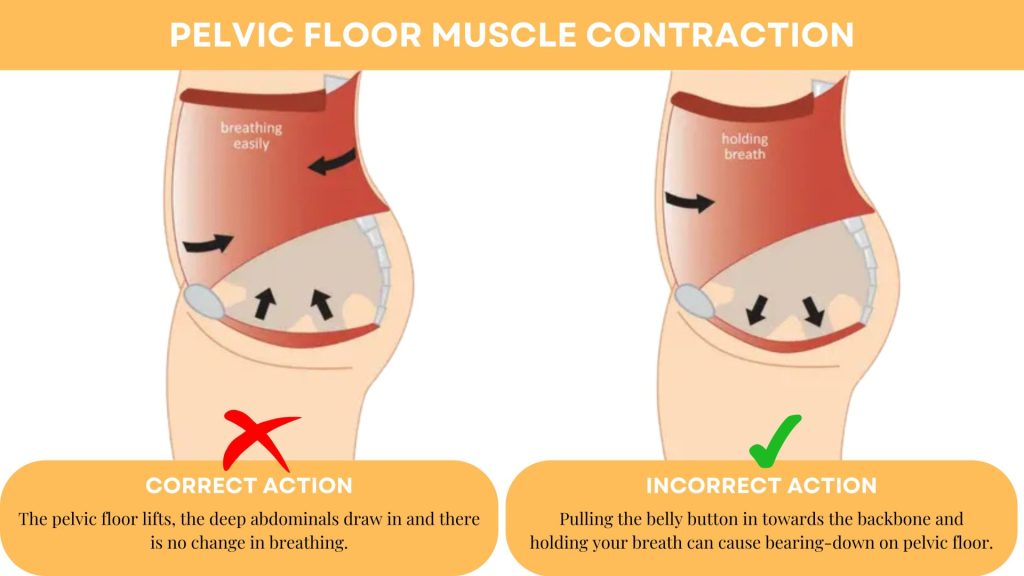
Your pelvic floor is a group of muscles that act like a supportive hammock for your uterus, bladder, and bowels. These muscles stretch from your pubic bone to your tailbone — and they’re essential for core stability, bladder control, and overall pelvic health.
While pregnancy is a major cause of pelvic floor weakness, many women experience issues with age — even if they’ve never given birth. During pregnancy, hormonal changes begin to soften and relax the pelvic floor in preparation for childbirth. As your baby grows, the added weight places increased pressure on those muscles, which can lead to overstretching and long-term weakness.
One of the most common symptoms of a weak pelvic floor is urinary incontinence — like leaking when you sneeze, cough, or laugh. And while this is common during pregnancy and postpartum, it’s not something you have to live with.
The good news? With consistent pelvic floor and deep core exercises, you can prevent or reduce symptoms — and give your body the support it needs now and for years to come.
Your 8-Week Pelvic Floor Workout Plan (for New Moms)
Week 1: Connect + Breathe
- Diaphragmatic breathing
- Pelvic floor awareness (gentle holds & releases)
- Supine 90-90 breathing
- Posture check-ins during the day
Week 2: Activate Deep Core
- 360 breathing with pelvic floor lift
- Supine pelvic tilts
- Heel slides
- Marching legs (while engaging core)
Week 3: Gentle Core + Glutes
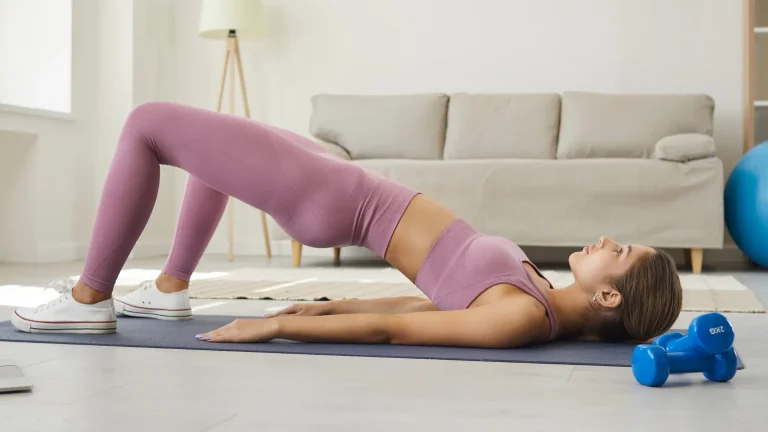
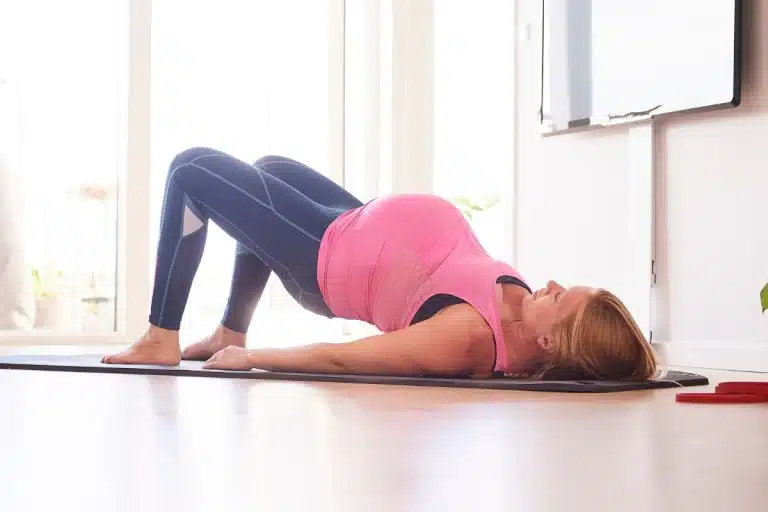
- Glute bridges (with exhale + pelvic floor lift)
- Modified dead bugs
- Clamshells
- Seated posture + alignment practice
Week 4: Build Stability
- Bird dog (slow + controlled)
- Wall sits
- Bridge pulses
- Standing kegels + breathing
Week 5: Add Load + Coordination
- Bodyweight squats with exhale/lift
- Wall push-ups
- Bent-knee side planks
- Diagonal marching (opposite hand to knee)
Week 6: Balance & Control
- Standing marches
- Wall dead bugs
- Split stance balance holds
- Glute bridge march
Week 7: Functional Core Work
- Elevated incline planks
- Step-ups or mini lunges
- Lying toe taps
- Farmer’s carry with core engagement
Week 8: Total Body Integration
- Full squats with breath coordination
- Tall kneeling overhead reach
- Low impact lunge matrix
- Modified Kneeling side plank w/glute clamshell
Exercises to Avoid When Postpartum

When rebuilding your core and pelvic floor after pregnancy, it’s important to avoid exercises that put excess pressure on your healing muscles. Certain movements can delay your postpartum recovery, worsen diastasis recti, or lead to pelvic floor dysfunction — especially during the early weeks of a pelvic floor workout plan.
Here are the top exercises to avoid during your 8-week pelvic floor program:
❌ High-Impact Cardio or Jumping
Avoid running, jumping jacks, HIIT workouts, or burpees. These increase intra-abdominal pressure and strain the pelvic floor — which can lead to leaking or worsen prolapse.
❌ Traditional Ab Exercises
Crunches, sit-ups, V-ups, or bicycle kicks are not safe early postpartum. These can cause coning or bulging in the abs — a sign of pressure mismanagement and a risk for worsening diastasis recti.
❌ Heavy Weightlifting or Loaded Core Work
Deadlifts, barbell squats, and weighted core exercises are too advanced for early-stage pelvic floor rehab. Your body needs time to restore deep core strength and alignment first.
❌ Full Planks or Push-Ups (Too Early)
Planks put a lot of downward pressure on the core and pelvic floor. Stick to modified incline planks after week 5 or when you’ve built proper control and core engagement.
❌ Deep Twisting or Backbending Movements
Avoid deep spinal twists or yoga backbends like Wheel pose. These stretch the abdominal wall and pelvic fascia — not ideal while healing from birth.
Focus On This Instead:
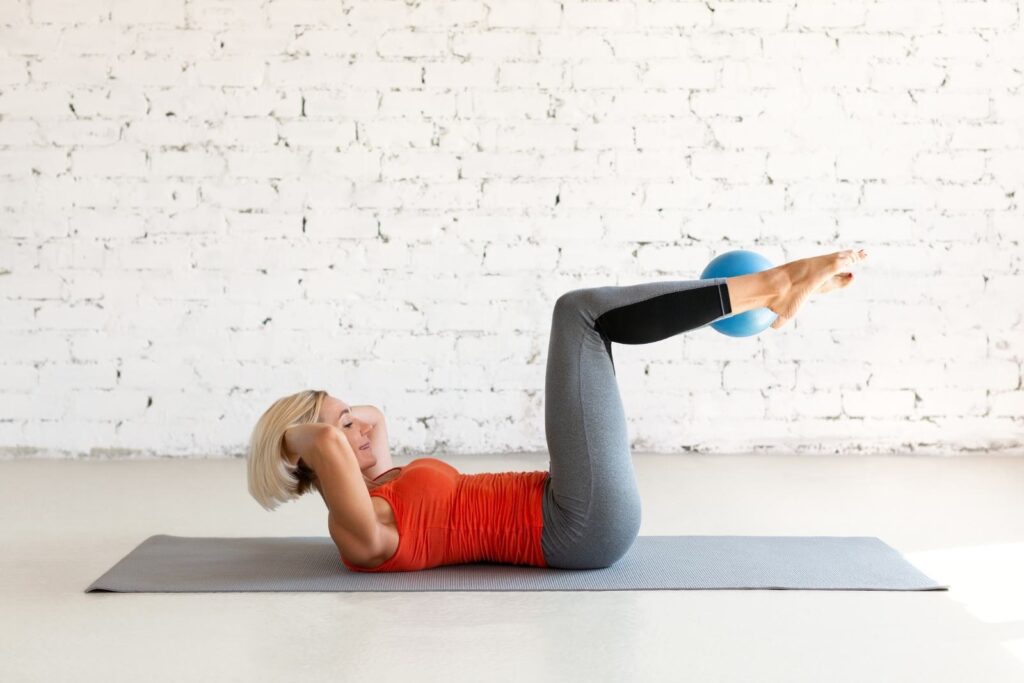
Stick to low-impact, pelvic floor-safe exercises like:
- Glute bridges
- Modified dead bugs
- 360 breathing
- Heel slides
- Gentle Pilates movements
This is your time to rebuild strength from the inside out. A smart, progressive postpartum fitness plan helps you avoid setbacks and feel strong, supported, and confident again.
How Do The Pelvic Floor and Deep Core Muscles Work Together?
Your pelvic floor and deep core muscles are the foundation of your entire postpartum recovery. Together, they stabilize your spine, support your organs, and help restore strength after pregnancy.
The pelvic floor acts like a hammock, holding your bladder, uterus, and bowels in place. Your deep core muscles — especially the transversus abdominis — work like a natural corset, protecting your back and improving posture.
When these two systems are reconnected through Pilates-based breathwork and movement, you’re not just healing — you’re rebuilding from the inside out.
Whether you’re dealing with diastasis recti, leaking, or just feeling weak in your core, this deep connection is the key to long-term strength, stability, and confidence.
Let’s get your body working together again — the way it was designed to.
FAQs PostPartum Workout
1. How do I know if I have a weak pelvic floor?
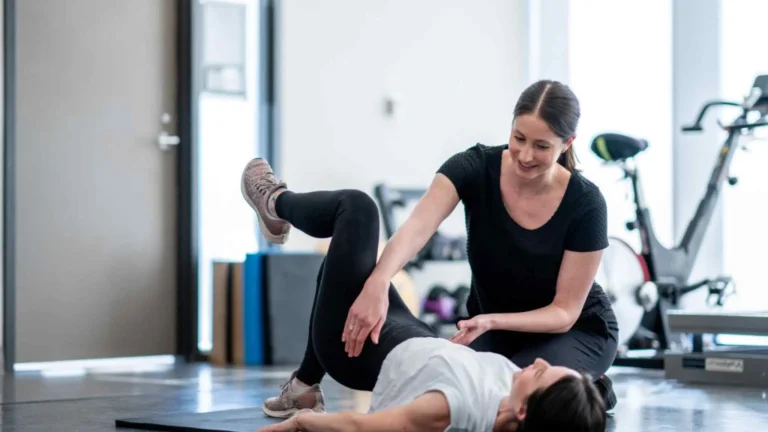
Common signs include urinary leakage (especially when sneezing, coughing, or jumping), lower back pain, a feeling of heaviness in the pelvis, painful sex, and difficulty activating your deep core muscles. If you’re unsure, a women’s health physical therapist can help assess you.
2. Can I do pelvic floor exercises if I’m newly postpartum?
Yes — but gently. You can start with breathwork and light core activation (like 360 breathing and pelvic floor lifts) within the first few weeks. Always get medical clearance from your doctor before beginning a workout plan.
3. Do I need equipment for this 8-week program?
No! All the exercises are bodyweight or use basic props like a yoga mat, small ball, or resistance band. The focus is on control, breath, and deep core activation — not intensity or load.
4. Will these exercises also help with diastasis recti?
Yes. Many pelvic floor-safe exercises also support healing from diastasis recti by improving core control, reducing abdominal pressure, and rebuilding the deep core system safely.
5. How long will it take to see results?
Every body is different, but with consistency, many women start noticing improved core strength, posture, and bladder control within 3–4 weeks. Deeper healing takes time — be patient and trust the process.
6. Can I combine this with other workouts?
In the beginning, it’s best to focus on pelvic floor and core rehab. After week 5–6, you can begin reintroducing low-impact strength or Pilates workouts — as long as you’re not leaking, coning, or straining.
7. Is Pilates really effective for pelvic floor recovery?
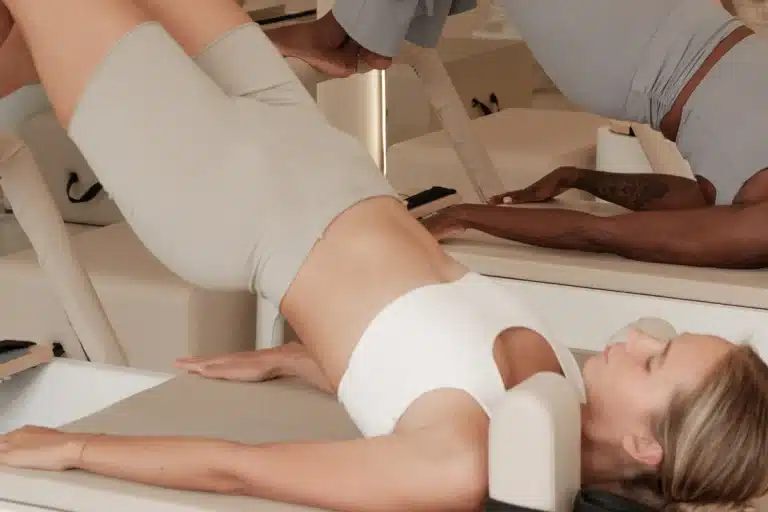
Yes — when done properly and avoiding advanced Pilates exercises. Gentle and beginner Pilates focuses on breath, deep core activation, posture, and alignment, making it one of the most effective systems for postpartum recovery and pelvic floor rehab.
8. I’m not a new mom. Can I still do this program?
Absolutely. This 8-week pelvic floor makeover is for any woman who wants to rebuild her core, improve pelvic health, and feel stronger and more connected to her body — no matter how long it’s been since birth (or even if you’ve never had kids).