Pelvic Floor Ab Exercises: Strengthen Your Deep Core
Your pelvic floor and abdominal muscles work together as a powerhouse duo to support your body. They stabilize your core, assist with posture, and maintain bladder and bowel control. Yet, they are often overlooked in fitness routines. Targeted pelvic floor ab exercises can make a world of difference, whether you’re seeking relief from discomfort, recovering from childbirth, or simply looking to enhance your core strength. Ready to dive in? Let’s explore how to strengthen your pelvic floor and abs for optimal health!
Why Your Pelvic Floor and Abs Need Attention
The pelvic floor forms the base of your core, connecting directly with your abs, diaphragm, and back muscles. Together, these muscles create a strong core unit. Ignoring this connection can lead to common issues such as:
- Pelvic floor dysfunction: Symptoms include incontinence, pain, or a heavy feeling in the pelvic area.
- Postural problems: Weak pelvic floor and core muscles often result in poor posture and back pain.
- Diastasis recti: A separation of abdominal muscles, often experienced postpartum, which can benefit from targeted exercises.
By strengthening your pelvic floor and abs together, you’ll not only improve posture and stability but also enjoy greater control over your body.
How to Engage Your Pelvic Floor During Ab Workouts
Activating your pelvic floor properly is crucial for these exercises to be effective. Here’s how:
- Identify the muscles: Imagine stopping the flow of urine or holding in gas—this is your pelvic floor contracting. Avoid clenching your thighs, glutes, or abdomen.
- Coordinate with your breath: Inhale deeply into your diaphragm, and as you exhale, gently lift your pelvic floor.
- Practice regularly: Like any muscle group, your pelvic floor needs consistent attention to stay strong.
Pro tip: Use slow, controlled movements to avoid overworking other muscles.
Top 7 Pelvic Floor Ab Exercises
Incorporate these exercises into your fitness routine to strengthen your pelvic floor and abs:
1. Modified Plank with Pelvic Floor Engagement
- Start on your knees and forearms, keeping your body in a straight line.
- Activate your pelvic floor and hold for 10-20 seconds.
- Gradually progress to a full plank as you build strength.
2. Dead Bug with Core and Pelvic Floor Focus
- Lie on your back with your knees bent at a 90-degree angle and arms extended toward the ceiling.
- Lower one arm and the opposite leg while keeping your pelvic floor engaged.
- Return to the starting position and alternate sides.
3. Bridge Pose with Pelvic Floor Activation
- Lie on your back with knees bent and feet flat on the floor.
- Lift your hips towards the ceiling while engaging your pelvic floor.
- Lower slowly, maintaining control.
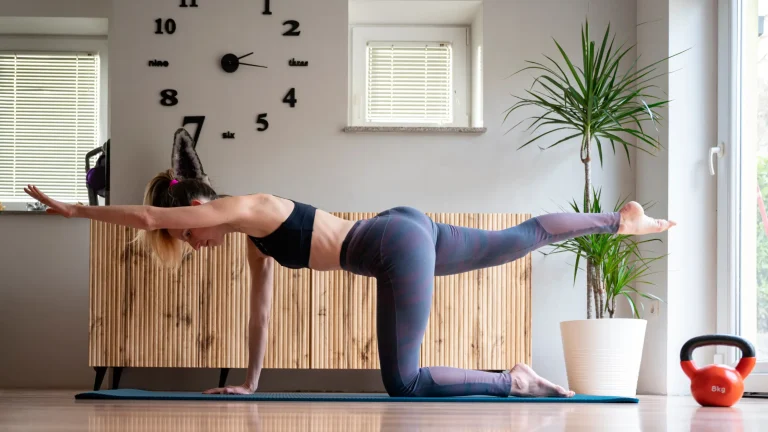
4. Bird Dog for Core Stability
- Begin on all fours with wrists under shoulders and knees under hips.
- Extend one arm and the opposite leg, engaging your pelvic floor and abs.
- Return to the starting position and switch sides.
5. Supine Toe Taps with Controlled Breathing
- Lie on your back with knees bent and legs lifted to tabletop position.
- Lower one foot to tap the floor, keeping your core and pelvic floor engaged.
- Alternate legs while maintaining steady breathing.
6. Side-Lying Leg Lifts for Hip and Core Strength
- Lie on one side with legs extended and stacked.
- Lift the top leg while engaging your pelvic floor and lower slowly.
- Repeat on both sides for balanced strength.
7. Seated Ball Squeeze for Pelvic Floor Isolation
- Sit on a chair or stability ball with your feet flat on the floor.
- Place a small ball between your knees and squeeze gently while activating your pelvic floor.
- Hold for 5-10 seconds and release.
The Do’s and Don’ts of Pelvic Floor Ab Exercises
Do:
- Prioritize proper form to prevent injury and maximize effectiveness.
- Incorporate diaphragmatic breathing to enhance muscle engagement.
- Balance strengthening exercises with relaxation techniques to avoid tightness.
Don’t:
- Hold your breath during exercises, as it can add unnecessary pressure on your pelvic floor.
- Overwork your pelvic floor—it’s essential to rest and recover.
- Ignore pain or discomfort; modify movements as needed.
Benefits of Adding These Exercises to Your Routine
Consistent practice of pelvic floor ab exercises offers a variety of benefits:
- Improved bladder control: Reduces the risk of incontinence by strengthening the pelvic floor muscles.
- Better posture: A strong core supports proper alignment and reduces back pain.
- Enhanced mobility and stability: Helps in daily movements and other workouts.
- Relief from pelvic pain: Strength and flexibility in the pelvic floor can ease discomfort.
When to Seek Professional Guidance
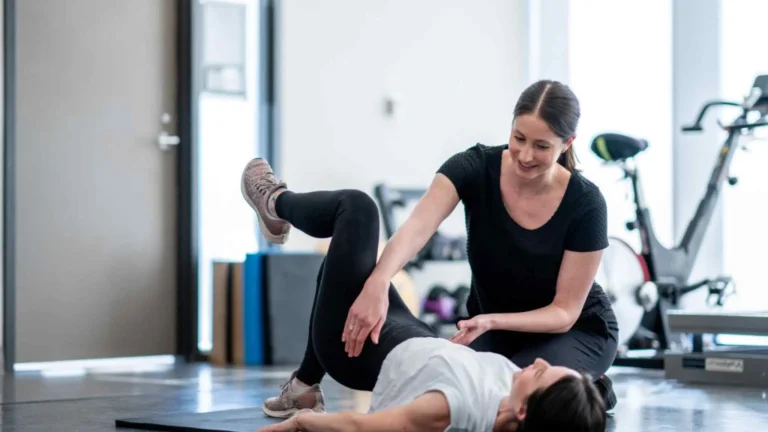
If you’re experiencing persistent symptoms like pain, incontinence, or difficulty activating your pelvic floor, consider consulting a pelvic health specialist. A physical therapist can:
- Tailor exercises to your needs.
- Provide modifications for comfort and safety.
- Help address underlying issues such as pelvic floor dysfunction or diastasis recti.
Conclusion
Pelvic floor ab exercises are an essential component of building core strength and improving pelvic health. Whether you’re looking to reduce pelvic pain, enhance posture, or simply feel stronger, these exercises provide a powerful foundation for success. By focusing on proper technique and consistency, you can unlock the full potential of your pelvic floor and core. Ready to take the first step? Start with these simple yet effective exercises today and feel the difference they can make in your life!
FAQs About Pelvic Floor Ab Exercises
1. Do ab workouts help pelvic floor?
Yes, ab workouts can help strengthen the pelvic floor, but only if performed correctly. Exercises that engage the deep core muscles, like planks, dead bugs, and bridge poses, can enhance pelvic floor strength and stability. Be sure to activate your pelvic floor during these movements for the best results.
2. How do you work out your pelvic floor for lower belly?
To target your pelvic floor and lower belly, focus on exercises like supine toe taps, modified planks, and seated ball squeezes. These movements engage both the transverse abdominis (deep core muscle) and the pelvic floor. Remember to pair the exercises with diaphragmatic breathing to maximize engagement.
3. What gym exercises work the pelvic floor?
Gym exercises that work the pelvic floor include:
- Bridge pose with a focus on pelvic floor activation.
- Side-lying leg lifts to strengthen the hips and core.
- Seated ball squeezes for targeted pelvic floor isolation.
- Light resistance training using stability balls or cables, emphasizing controlled movements.
4. What exercises should you avoid with a pelvic floor prolapse?
If you have a pelvic floor prolapse, avoid high-impact exercises and those that increase intra-abdominal pressure. Examples include:
- Heavy weightlifting (e.g., deadlifts or squats with excessive weight).
- Sit-ups or crunches.
- Jumping or running. Instead, focus on low-impact exercises like seated ball squeezes, bridges, and gentle yoga poses.