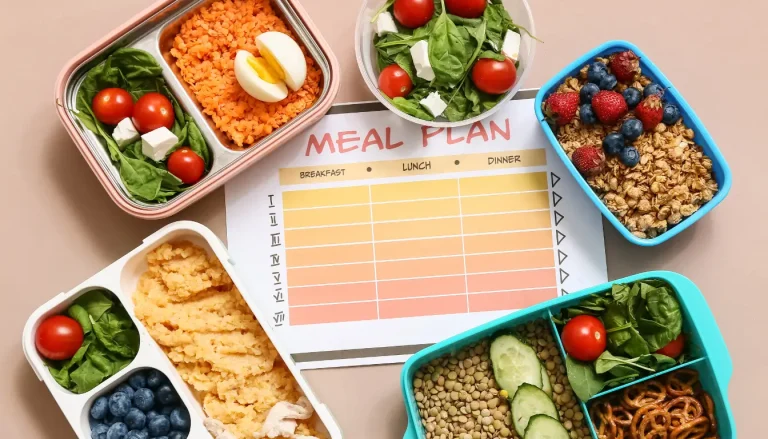
14-Day No Sugar Diet Menu & Challenge (Free Plan)
Thinking About Starting a No Sugar Diet? If you’re tired of feeling sluggish, bloated, and dependent on sugary snacks to get through the day, a no sugar diet might be exactly what you need.
In this blog, I’ll break down the real benefits of going sugar-free, the common mistakes to avoid, and what you can expect from a 14-day no sugar challenge that could totally change your life.


Before I cut sugar from my diet, I was constantly fatigued and riding the highs and crashes of sugary treats. But after just two weeks without added sugar, I experienced better digestion, clearer skin, fewer cravings, and a noticeable boost in energy and focus.
FREE No Sugar DIET FOOD LIST PDF
Ditch cravings, balance your blood sugar, and feel better in just one week— no calorie counting or weird diet foods.

Whether you’re trying to lose weight, balance your hormones, or simply take control of your health—this guide is your first step toward a healthier, sugar-free lifestyle.
What Is a No Sugar Diet?
A no sugar diet is a dietary approach that eliminates or significantly reduces the consumption of added sugars from your meals and snacks. By following a step-by-step no sugar meal plan, you can effectively remove sources of added sugars from your daily intake, promoting a healthier lifestyle.
This no sugar diet emphasizes whole, unprocessed foods and encourages natural sources of sweetness, such as fruits. By adopting a no sugar diet, you can experience various health benefits while exploring new, sugar-free food options.
You can follow the no sugar diet by going cold turkey and challenging yourself to stop all sugar intake for 14, 21, or 30 days. But you should ask yourself: Is this approach sustainable to my long-term health? And will you actually finish the sugar-free challenge?
No Sugar Diet Benefits:
- Improved energy levels: Do you know what really causes a mid-day slump? When you eat the wrong foods, your blood sugar levels skyrocket. While your food is being digested, you are left feeling tired, and the cravings for sugar begin.
2. Lose weight: Your goal may not be to lose weight, however this is a likely result especially if you are not used to clean eating. You will most probably lose weight from your belly, thighs and butt.
3. Better overall health: Eating excess sugar every day leads to health problems, one of which is diabetes.
4. Improved Digestion: Do you feel gassy, constipated, and bloated? Detoxing from sugar and processed foods will improve digestion and overall gut health.
5. Clearer skin: Eliminating sugar and carbohydrates from your diet will result in clearer skin. Highly processed foods packed with sugar and fat are known for causing hormone imbalances and skin secretions that cause acne and blackheads.
Related Read: How to Start a 14-Day No-Sugar Diet
Foods To Avoid On A No-Sugar Diet
A no-sugar diet is a dietary approach that involves eliminating or significantly reducing added sugars from meals and snacks. By following the step-by-step sugar-free diet plan, you can remove sources of added sugars from your daily intake and promote a healthier lifestyle. This diet encourages whole, unprocessed foods and natural sources of sweetness, such as fruits. Enjoy exploring new, sugar-free food options as you embark on this transformative journey.
Another approach you can take — and my personal approach is:
- Learn how to identify sugars in your food. Food companies mislead us by labeling sugar in different words. You may not even realize you are eating sugar!
- Choose drinks wisely. Your body barely has time to break down sugar before it flows to your liver and raises your blood sugar.
- Get enough sleep. You crave sugar when you are tired.
- Plan for success. A meal plan and grocery list is crucial if you want to avoid failing and gaining back the weight.
- Always keep healthy snacks at hand. Those sugar cravings are intense. Avoid temptation by being prepared.
- Begin phasing out sugar foods in phases. You may crash and burn if you try to do it all at once.
- Aim for 1% improvement every day. This is how new habits are formed to sustain a new healthy lifestyle.
Foods To Eat On A No-Sugar Diet
- Proteins are essential to the sugar detox, since they keep you full and help balance your blood sugar.
- Low starch veggies are encouraged on the no sugar diet. They contain carbohydrates, but these are not digested the same way that starches are sugars are. You can eat as many fresh veggies as you want.
14-Day No-Sugar Diet Food LisT
1. Fresh Fruits 1/2 cup per day
- Berries: Strawberries, blueberries, raspberries
- Citrus Fruits: Oranges, lemons, limes
- Apples and Pears: Choose whole fruits over juices for lower sugar content and more fiber.
- Stone Fruits: Peaches, plums, nectarines
2. Vegetables: As much as you want
- Leafy Greens: Spinach, kale, Swiss chard
- Cruciferous Vegetables: Broccoli, cauliflower, Brussels sprouts
- Other Vegetables: Bell peppers, cucumbers, tomatoes, zucchini
3. Protein: 1.2g protein per kg of body weight
- Lean Meats: Chicken breast, turkey, lean cuts of beef
- Fish and Seafood: Salmon, trout, shrimp
- Eggs: Whole eggs or egg whites
- Plant-Based Proteins: Lentils, chickpeas, beans, tofu
4. Whole Grains 1 cup per day
- Oats: Steel-cut or old-fashioned oats
- Quinoa
- Brown Rice
- Whole Wheat: Check labels to ensure there’s no added sugar in whole wheat products like bread.
5. Nuts and Seeds: Sparingly
- Almonds, Walnuts, Cashews: Unsalted and unroasted varieties
- Seeds: Pumpkin seeds, sunflower seeds, chia seeds, flaxseeds
6. Dairy and Dairy Alternatives: 1/2 cup
- Milk: Choose unsweetened varieties of cow’s milk or plant-based milk like almond, soy, or coconut milk.
- Cheese: Natural cheeses with no added flavors or sugars
- Yogurt: Opt for plain yogurt without added sugars; sweeten with fresh fruit.
7. Fats and Oils: Sparingly
- Healthy Oils: Olive oil, avocado oil, coconut oil
- Avocados
- Olives
8. Condiments and Seasonings:
- Vinegar: Apple cider, red wine, balsamic (check for added sugars in some balsamic vinegar)
- Herbs and Spices: All fresh or dried herbs and spices are acceptable
- Mustard, Salsa, Hot Sauce: Check labels to ensure they are free from added sugars.
9. Beverages: Drink 8-10 glasses of water per day
- Water: Plain or infused with citrus or cucumber
- Herbal Teas
- Coffee: Black or with unsweetened plant-based milk
No Sugar Diet Plan
Going on a no-sugar diet plan felt a lot like trying the Pilates teaser for the first time—awkward, humbling, and surprisingly empowering once I got the hang of it. After downing a pint of ice cream and feeling sluggish, bloated, and off in my workouts, I knew something had to change.
The first few days? Brutal. I was cranky, foggy, and constantly looking for something sweet. But I stuck with it, and what came next was game-changing. My energy stabilized, my skin cleared up, and I started crushing moves in Pilates that had stumped me for years.
Here’s the plan that worked:
Week 1: Cut the obvious sugars—ditch soda, candy, and desserts.
Week 2: Read labels—sugar hides in sauces, dressings, and even “healthy” snacks.
Week 3: Swap refined carbs for whole grains.
Week 4: Be mindful of natural sugars—berries over bananas.
And throughout? Load up on protein and healthy fats to stay full and fight cravings. I basically became an omelet-making machine.
The best part? My taste buds totally reset. Fruit started tasting insanely sweet, and when I tried cake again, it was almost too much. I’m not anti-sugar—I still enjoy a treat here and there—but this plan taught me how to feel in control, not controlled by cravings.
So, are you ready to try a no-sugar diet plan that actually works with your lifestyle? Your body (and your Pilates flow) will thank you. Let’s make this sweet—but not too sweet—shift together.
Tips for Managing a No-Sugar-Added Diet
Read Nutrition Labels: Even foods that seem healthy can contain hidden sugars, so it’s important to read labels carefully.
Prepare Meals at Home: Cooking at home allows you to control ingredients and avoid the added sugars often found in restaurant meals and processed foods.
Be Mindful of Portions: Focus on balance and moderation in your diet to maintain overall health.
If you fail to plan, you will plan to fail. You need to plan your meals. Grab my sugar-free meal plan here.
Always keep healthy snacks on hand for when the sugar cravings hit
How To Manage Sugar Cravings On The No-Sugar Diet
Managing sugar cravings on a no-sugar diet can be challenging, but it’s certainly achievable with the right strategies. Here are some practical tips to help keep those cravings in check:
Stay Hydrated: Sometimes, what feels like a sugar craving is actually dehydration. Drinking plenty of water throughout the day can help stave off cravings.
Eat Regularly: Eating regular meals and healthy snacks can help maintain stable blood sugar levels, reducing the urge for a sugary boost. Include proteins, healthy fats, and fiber in your meals to enhance satiety.
Choose Whole Foods: Opt for whole, unprocessed foods that are naturally lower in sugar. These foods digest more slowly, keeping you fuller for longer and helping to control cravings.
Find Healthy Substitutes: Satisfy your sweet tooth with fruits like berries, apples, or pears. When you really want something dessert-like, try Greek yogurt with a bit of fruit and nuts or a homemade smoothie with unsweetened almond milk and frozen berries.
Incorporate Healthy Fats: Foods high in healthy fats, such as avocados, nuts, and seeds, can help fill you up and decrease cravings.
Get Enough Sleep: Lack of sleep can increase cravings for sugary foods. Ensuring you get a good night’s sleep can help regulate your appetite and improve overall health.
Manage Stress: Stress can lead to cravings for sweet foods. Techniques like meditation, deep breathing, or gentle exercise can help manage stress and reduce the likelihood of cravings.
Use Spices: Cinnamon, vanilla, and nutmeg can add sweetness to foods without the need for sugar. Adding these spices to coffee, oatmeal, or yogurt can satisfy your sweet tooth.
Be Prepared: Have healthy snacks on hand so you have alternatives ready when cravings hit. This makes it easier to avoid sugary temptations.
Mindful Eating: Pay attention to your eating habits. Eating slowly and being mindful of each bite can increase your awareness of what you eat and help you stop when you’re full.
Implementing these strategies can help you effectively manage sugar cravings while maintaining a no-sugar diet. It’s also important to recognize that occasional cravings are normal, and moderate indulgence shouldn’t derail your overall dietary goals.
14-Day No Sugar Challenge For Beginners
I created this 14-Day Sugar Challenge after years of watching my Pilates clients struggle with sugar cravings — and going through it myself. I remember teaching a morning class, mid-roll-up, when a sudden candy-bar-level craving hit me like a truck.
That moment was a wake-up call. The first few days of cutting back were rough — I was moody, exhausted, and definitely not fun to be around (sorry, Andrea). But once I pushed through, the results were undeniable: better energy, glowing skin, and a way stronger Pilates practice.
That’s why I built this challenge — to make it easier for beginners to get started without feeling deprived. No cold turkey, no extremes. Just simple, doable steps to help you reduce sugar, reset your cravings, and actually feel good in your body again. Here’s how it works:
No Sugar Challenge Days 1-3: The Sugar Spy
Your mission, should you choose to accept it, is to become a sugar detective. Read those labels, folks! You’d be surprised where sugar likes to hide. Ketchup, bread, even that “healthy” granola bar – they’re all potential sugar bombs. Just track everything you eat and drink, no changes yet. Knowledge is power, baby!
No Sugar Challenge Days 4-7: The Great Swap-Out
Now we’re getting into the nitty-gritty. Start swapping out one sugary item a day for a healthier alternative. Love your morning OJ? Try whole fruit instead. Can’t live without your 3 pm candy bar? How about some nuts and berries? Small changes, big impact!
No Sugar Challenge Days 8-10: Bye-Bye, Added Sugars
Time to kick those added sugars to the curb! Focus on whole, unprocessed foods. It might feel tough at first, but I promise your taste buds will start to change. Suddenly, an apple tastes like candy (okay, maybe not quite, but you get the idea).
No Sugar Challenge Days 11-14: The Home Stretch
You’re in the final countdown! Keep up with avoiding added sugars, but now we’re gonna amp up those natural sweetness sources. Experiment with sweet veggies like bell peppers or snap peas. Try some new fruits – ever had a dragonfruit? It’s like a party in your mouth!
Throughout this challenge, remember to stay hydrated. Sometimes, what we think is a sugar craving is actually just thirst in disguise. Sneaky, right?
Now, here’s a pro tip I learned the hard way: don’t go throwing out all your sugar-laden goodies on day one. That’s a recipe for late-night pantry raids and regretful online candy orders (not that I’m speaking from experience or anything…). Instead, slowly phase them out as you find healthier alternatives you actually enjoy.
And hey, if you slip up, don’t beat yourself up about it. This isn’t about perfection, it’s about progress. One cookie doesn’t undo all your hard work. Just dust off those cookie crumbs and get back on track.
Remember, this challenge isn’t just about cutting out sugar – it’s about nourishing your body so you can crush those Pilates sessions and feel amazing in your everyday life. You might even notice your flexibility improving as inflammation decreases. Win-win!
So, are you ready to take on this sweet (or not-so-sweet) challenge? Trust me, your body will thank you. And who knows? Maybe by day 15, you’ll be whipping through those Pilates hundred like they’re nothing. Now, that’s what I call a sugar rush!